 info@unicomposite.com



When designers talk about composite ship piping, they usually mention GRE pipe and GRP pipe. Many engineers first want to know the full form and meaning of these abbreviations, and how they differ in real ship systems.
In short, GRE pipe full form = Glass Reinforced Epoxy pipe, and GRP pipe full form = Glass Reinforced Plastic pipe. Both belong to the broader family of FRP (Fiber Reinforced Plastic) pipes, but they use different resins and therefore show different performance, cost and best-fit applications on board.
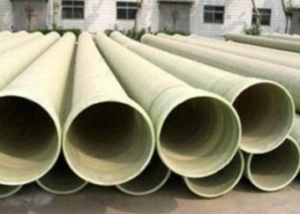
GRE vs GRP pipe on ship pipeline
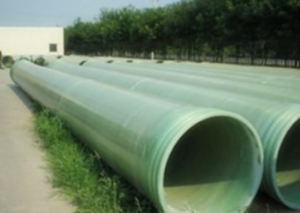
GRE pipe installation in marine seawater line
GRE, GRP & FRP Pipe Full Form and Meaning
| Term | Full form | Simple meaning |
|---|---|---|
| GRE pipe full form | Glass Reinforced Epoxy pipe | FRP pipe using epoxy resin as the matrix, designed for higher pressure and better chemical / temperature resistance. |
| GRP pipe full form | Glass Reinforced Plastic pipe | FRP pipe using polyester or vinyl ester resin, mainly for water and general service at medium pressure. |
| FRP pipe full form | Fiber Reinforced Plastic pipe | General name for composite pipes reinforced with glass fiber; GRE and GRP are both types of FRP. |
GRE vs GRP Pipe: Key Differences
Although both GRE and GRP are composite pipes, the different resin systems lead to clear differences in performance and cost. The table below summarises the main points engineers care about.
| Aspect | GRE pipe | GRP pipe |
|---|---|---|
| Resin / matrix | Epoxy resin | Polyester or vinyl ester resin |
| Typical pressure capability* | Higher design pressure, suitable for many seawater and fire main lines. | Medium pressure, suitable for ballast and general water systems. |
| Temperature & chemical resistance | Better temperature and chemical resistance in aggressive seawater or chemicals. | Good for normal seawater and fresh water; limited for some chemical services. |
| Cost level | Higher material and system cost. | More economical for large-diameter water lines. |
| Typical shipboard use | Seawater cooling, fire main, seawater service lines. | Ballast lines, drain lines, fresh-water distribution. |
*Exact pressure rating depends on pipe class, standard and design. Always check project specifications and consult the manufacturer.
Why Composite Pipes Are Popular in Ship Pipelines
FRP pipes, including GRE and GRP, are made from a resin matrix and glass-fibre reinforcement. By adjusting the resin type and adding fillers such as graphite or carbon fibre, designers can obtain properties like static conductivity or higher temperature resistance. Compared with traditional metallic piping, composite ship pipelines offer several important benefits:
- Up to about 65–70 % weight saving compared with carbon steel pipes of the same diameter, which reduces installation effort and ship weight.
- Excellent resistance to seawater corrosion; typical service life in many systems can exceed 30–50 years.
- Non-metallic material with good electrical insulation, with optional conductive grades for safe grounding where required.
- Can be produced in different colours for easy line identification on board.
Where GRE and GRP Pipes Are Used on Ships
On modern vessels, GRE and GRP pipes are often used side by side. The choice mainly depends on pressure, temperature and medium:
- GRE pipes: seawater cooling lines, fire main, seawater service systems and other high-pressure or demanding lines that benefit from the superior epoxy matrix.
- GRP pipes: ballast systems, fresh-water distribution, scuppers and drain lines and many other medium-pressure services where cost efficiency is important.
How to Choose GRE or GRP Pipe for Your Ship Project
- Confirm design conditions. Define design pressure, temperature and fluid medium (seawater, fresh water, chemicals).
- Check class and standards. Review the relevant rules for composite piping from the classification society or owner.
- Compare total system cost. Always look at fittings, supports, installation tools and lifetime maintenance, not only pipe price.
- Clarify jointing and installation. Discuss joining method, required training and quality-control procedures with the supplier.
If you need help selecting between GRE and GRP pipe for a newbuild or retrofit project, send us your line list and service conditions. Our engineering team can recommend a suitable composite piping system and prepare a budgetary quotation.
Contact our team for GRE/GRP ship piping support »
FAQ: GRE & GRP Pipe
What is the full form of GRE pipe?
The full form of GRE pipe is Glass Reinforced Epoxy pipe, a type of FRP pipe using epoxy resin for higher pressure and better chemical and temperature resistance.
What is the full form of GRP pipe?
The full form of GRP pipe is Glass Reinforced Plastic pipe, usually based on polyester or vinyl ester resin and widely used for water and general services on ships.
Is FRP the same as GRE or GRP?
FRP (Fiber Reinforced Plastic) is a general term for composite materials with fibre reinforcement. GRE and GRP are both specific types of FRP pipe with different resin systems.
Which is better: GRE or GRP pipe?
Neither is “always better”. GRE pipe usually offers higher pressure and chemical resistance but costs more. GRP pipe is more economical for many medium-pressure water systems such as ballast lines. The best choice depends on your design conditions and lifecycle cost analysis.


