 info@unicomposite.com


Introduction
A walkway panel is easy to overlook until it starts costing money. In industrial plants, corrosion, slippery surfaces, heavy installation work, and repeated replacement can turn a simple grating choice into a recurring maintenance problem.
For engineers, procurement managers, and operations teams, material selection affects more than the first purchase order. It influences worker access, shutdown planning, coating maintenance, electrical safety, and lifecycle cost. This is why many industrial buyers compare fiberglass grid grating with steel, aluminum, and other traditional materials before specifying platforms, trench covers, stair treads, and walkways.
Fiberglass grid grating, also called FRP or GRP grating, is made from glass fiber reinforcement and a resin matrix. When specified correctly, it offers strong corrosion resistance, lightweight handling, non-conductive performance, and slip-resistant surface options for demanding industrial environments.
This guide compares fiberglass grid grating with traditional grating materials and explains where each option fits best. It also gives buyers a practical checklist for selecting the right FRP grating for wastewater treatment, chemical processing, marine, utility, and industrial platform applications.

fiberglass grid grating vs traditional materials
What Is Fiberglass Grid Grating?
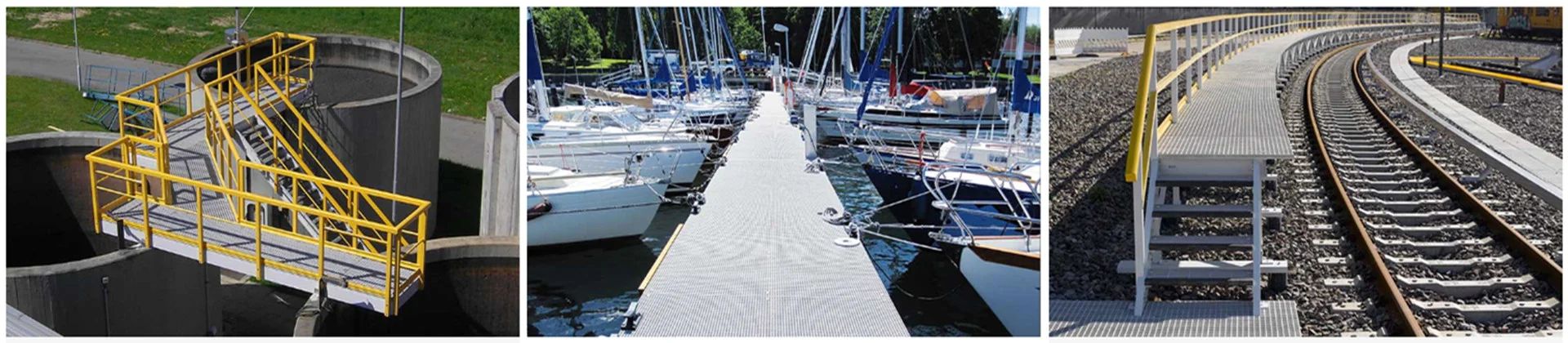
Fiberglass grid grating is an open-grid panel made from fiberglass-reinforced plastic. The grid structure allows water, debris, air, and light to pass through while creating a stable walking or working surface. Depending on the application, buyers may choose molded grating, pultruded grating, stair treads, trench covers, or custom-cut panels.
The performance comes from two core components. Glass fiber provides reinforcement, while the resin system helps define corrosion resistance, chemical compatibility, UV behavior, and service durability. This makes resin selection a critical part of the specification, especially in chemical, wastewater, marine, and outdoor environments.
In field installations, engineers often choose FRP grating where metal grating creates recurring problems. Common examples include corroded access panels around tanks, slippery maintenance walkways, coastal platforms exposed to salt air, and electrical service areas where conductivity raises safety concerns.
The table below summarizes common industrial uses and the main reason buyers specify FRP grating:
| Application | Common Site Condition | Why FRP Grid Grating Fits |
|---|---|---|
| Wastewater treatment plants | Moisture, chemicals, outdoor exposure | Resists corrosion and supports drainage |
| Chemical processing areas | Splash zones, fumes, cleaning chemicals | Resin system can be selected for exposure |
| Marine docks and offshore platforms | Saltwater, humidity, UV exposure | Avoids rust and reduces coating maintenance |
| Cooling towers | Constant wet conditions | Suitable for corrosion-prone access areas |
| Utility and electrical areas | Electrical equipment nearby | Non-conductive material improves safety planning |
| Industrial walkways | Worker traffic, drainage, debris | Lightweight panels with slip-resistant surfaces |
The core advantage is practical: FRP grating is designed for environments where moisture, chemicals, and maintenance access are part of daily operations.
Fiberglass Grid Grating vs Steel and Aluminum Grating
Once buyers understand the material, the next step is comparing it against traditional options. Steel, aluminum, and fiberglass grid grating can all support walkways and platforms, but they perform differently under corrosion, load, maintenance, and safety requirements.
Steel grating remains a strong choice for certain heavy-duty applications, especially where high impact, high heat, or fire exposure dominates the design. Aluminum grating can work well where low weight matters and the environment is not highly corrosive. Fiberglass grid grating becomes more attractive when the site requires corrosion resistance, electrical insulation, lower maintenance, and easier handling.
The table below compares the major decision factors for industrial buyers:
| Factor | Fiberglass Grid Grating | Steel Grating | Aluminum Grating |
|---|---|---|---|
| Weight | Lightweight and easier to move | Heavy, often needs more labor or lifting equipment | Lightweight |
| Corrosion resistance | Strong when resin is matched to exposure | Can rust if coating or galvanizing fails | Better than steel in some environments, but exposure-dependent |
| Electrical conductivity | Non-conductive | Conductive | Conductive |
| Maintenance | Low in suitable corrosive environments | May need coating checks, rust control, or replacement | Moderate, depending on environment |
| Slip resistance | Available with grit-top or textured surfaces | Often needs added surface treatment | May need added surface treatment |
| Installation | Easier cutting, handling, and positioning | More labor-intensive due to weight | Easy to handle, but stiffness must be checked |
| Best fit | Wet, corrosive, chemical, marine, and utility sites | Heavy impact, heat, and certain structural applications | Lightweight general-purpose access areas |
No material wins every application. The right choice depends on load, support spacing, temperature, exposure, safety requirements, and total cost of ownership.
For many B2B projects, fiberglass grid grating offers the clearest value when the operating environment attacks metal or creates repeat maintenance work.
Key Advantages of Fiberglass Grid Grating
Beyond the material comparison, buyers should look at how FRP grating changes installation, maintenance, and site safety. These advantages matter most when projects involve large quantities, difficult access, or long service expectations.
Lightweight Strength for Easier Installation
Fiberglass grid grating is significantly easier to handle than steel grating in many installation settings. Lighter panels can reduce the need for heavy lifting equipment, especially on elevated platforms, narrow walkways, and retrofit sites.
For maintenance teams, this can shorten replacement windows. For contractors, it can simplify staging, carrying, cutting, and positioning on site. The benefit becomes more visible when the project includes many panels or multiple levels of access platforms.
Buyers should still confirm span, support spacing, panel thickness, and expected load. Lightweight handling does not remove the need for proper structural design. It simply makes the correct design easier to install.
Corrosion Resistance in Harsh Environments
Corrosion resistance is one of the main reasons buyers compare fiberglass grid grating with steel. Steel grating can perform well when coated, galvanized, or installed in suitable conditions. The problem begins when coatings chip, wear, or fail in aggressive environments.
FRP grating does not depend on a metal coating for corrosion resistance. Its performance depends on selecting the right resin system for the actual exposure. Moisture, salt spray, acids, alkalis, solvents, temperature, UV exposure, and cleaning chemicals all affect the final specification.
The table below shows how exposure conditions influence material selection:
| Environment | Risk for Traditional Materials | FRP Specification Focus |
|---|---|---|
| Wastewater treatment | Rust, coating wear, chemical exposure | Resin compatibility, drainage, slip resistance |
| Chemical plants | Splash, fumes, cleaning chemicals | Chemical-resistant resin and surface finish |
| Marine areas | Saltwater corrosion and humidity | UV resistance, corrosion resistance, fastening method |
| Cooling towers | Continuous moisture and treatment chemicals | Resin selection and support design |
| Utility sites | Electrical safety concerns | Non-conductive FRP panels and accessories |
Correct specification matters. FRP grating performs best when buyers share the service environment before quoting, rather than ordering only by size and thickness.
Low Maintenance Across the Service Life
Initial purchase price is only one part of the grating cost. Maintenance, inspection, coating repair, downtime, and replacement can exceed the original material savings if the wrong grating is used in a harsh environment.
Fiberglass grid grating can reduce recurring maintenance in wet and corrosive areas. It does not require repainting for rust protection in the same way steel often does, and it can be cleaned as part of normal facility maintenance routines.
Consider an anonymized wastewater facility scenario. A plant replaced recurring corroded steel access panels near treatment tanks with FRP grating specified for moisture and chemical exposure. The project goal was not only to install new panels. The maintenance team wanted to reduce repeated coating work, improve drainage, and make future panel handling easier during scheduled service windows.
This is where FRP often earns its value. It helps reduce the repeated work that appears after installation, especially in environments that attack metal year after year.
Safer Access for Industrial Walkways
Worker access is a major part of grating selection. Wet, oily, or dirty platforms increase slip risk, especially around pumps, tanks, docks, drains, and equipment service areas.
Fiberglass grid grating can be supplied with grit-top or textured surfaces to improve traction. The open grid design also supports drainage, which helps reduce standing water on walkways. For stair treads and high-traffic platforms, buyers should specify the surface finish early rather than treating it as an accessory.
Electrical safety is another advantage. FRP is non-conductive, which makes it useful around electrical equipment, substations, power facilities, and utility infrastructure. Steel and aluminum conduct electricity, so they may require additional safety controls depending on the installation.
The practical takeaway is simple: grating should be specified around real working conditions, including footwear, moisture, contaminants, worker traffic, and nearby electrical hazards.
Better Lifecycle Value for B2B Projects
For B2B buyers, long-term value comes from the full cost of ownership. A grating system affects installation labor, inspection frequency, downtime, worker access, and replacement planning.
Fiberglass grid grating may cost more upfront than some traditional materials. In corrosive or wet environments, that higher initial price can be offset by reduced maintenance pressure and longer usable service life when the product is correctly specified.
The table below helps buyers compare cost factors during procurement:
| Cost Factor | What Buyers Should Evaluate |
|---|---|
| Material cost | Panel type, thickness, resin system, surface finish |
| Installation cost | Labor, lifting equipment, cutting, fastening method |
| Maintenance cost | Cleaning, coating repair, corrosion inspection, replacement frequency |
| Downtime cost | Shutdown windows and access restrictions during repair |
| Safety cost | Slip risk, electrical exposure, worker access conditions |
| Customization cost | Cutouts, drilling, stair tread sizing, matching accessories |
Lifecycle value depends on the environment. FRP offers the strongest case where corrosion, safety, and maintenance costs create hidden long-term expenses.
Where Fiberglass Grid Grating Performs Best
After comparing advantages, application fit becomes the deciding factor. Fiberglass grid grating works best where traditional materials face water, chemicals, salt, or electrical concerns.
Wastewater Treatment Facilities
Wastewater treatment plants expose walkways, platforms, and trench covers to moisture, cleaning chemicals, outdoor weather, and biological contaminants. These conditions can shorten the life of metal grating, especially where coatings become damaged.
FRP grating works well around clarifiers, pump stations, aeration tanks, drainage channels, and maintenance platforms. Its open-grid design supports drainage, while the resin system helps resist the surrounding environment.
Chemical Processing Areas
Chemical plants need careful material selection. FRP can perform well in many corrosive environments, but buyers must match the resin system to the exposure.
Before ordering, engineers should confirm chemical type, concentration, temperature, exposure frequency, and cleaning method. This information helps the manufacturer recommend a suitable resin, surface finish, and panel design.
Marine and Coastal Platforms
Marine environments combine saltwater, humidity, UV exposure, and frequent wetting. Steel grating can require ongoing coating maintenance in these conditions.
Fiberglass grid grating is commonly used for docks, piers, gangways, aquaculture platforms, and coastal industrial sites. Lightweight handling also helps when panels must be installed or replaced in difficult-access areas.
Utility and Electrical Service Areas
Because FRP is non-conductive, it offers advantages around electrical equipment and utility infrastructure. This can support safer access planning for power facilities, substations, and telecommunications sites.
Buyers should still review the full system, including fasteners, supports, handrails, ladders, and nearby metal components. Non-conductive grating works best as part of a properly designed access system.
These use cases show where FRP creates the most value: sites where the environment makes traditional materials harder to maintain.

fiberglass grid grating
How to Choose the Right Fiberglass Grid Grating
Once buyers decide FRP is suitable, the specification process becomes critical. The wrong panel can lead to excessive deflection, poor chemical resistance, installation issues, or unnecessary cost.
What specifications should buyers confirm before ordering?
Buyers should confirm load requirement, span, support spacing, panel thickness, mesh opening, resin system, surface finish, fastening method, chemical exposure, and installation environment before ordering fiberglass grid grating. These details help the manufacturer recommend a panel that fits safety, durability, and lifecycle requirements.
A strong specification prevents vague quoting. It also helps procurement teams compare suppliers on real project requirements instead of only unit price.
Load, Span, and Support Spacing
Load capacity depends on panel thickness, grating type, support spacing, span direction, and expected traffic. A pedestrian platform has different requirements from a cart-access walkway or equipment service area.
Buyers should share live load, point load, span distance, and whether workers, tools, carts, or equipment will move across the grating. Deflection limits should also be reviewed during design.
Mesh Opening and Panel Size
Mesh opening affects drainage, light transmission, debris control, and foot comfort. Smaller openings may suit pedestrian areas where dropped tools or narrow footwear create risk. Larger openings may suit drainage-heavy areas or general access platforms.
Panel size affects cutting waste, installation speed, packaging, and freight. For bulk orders, standardized panel sizes can simplify replacement planning across multiple facilities.
Resin System and Exposure Conditions
The resin system has a major impact on corrosion resistance and service life. General industrial areas may use one resin type, while chemical splash zones, wastewater sites, or marine locations may require a more specialized formulation.
Buyers should provide the service environment before final selection. Temperature, UV exposure, chemical concentration, and cleaning chemicals can all change the best recommendation.
Surface Finish and Fastening Method
Surface finish affects safety. Grit-top surfaces are common for wet or oily platforms, while other textured surfaces may fit lighter-duty walkways or specific cleaning requirements.
Fastening also matters. Clips, hold-downs, edge supports, and cutout reinforcement should match the panel design and site conditions. A good fastening plan helps prevent movement, vibration, and installation rework.
Custom Cutting and Fabrication
Many industrial projects require cutouts, drilling, stair tread dimensions, edge trimming, or integration with handrails and structural supports. Custom fabrication can reduce field labor and improve installation accuracy.
Unicomposite supports standard and custom FRP composite products, including fiberglass grating, pultruded profiles, ladders, handrails, cable trays, and platform systems. For grating projects, buyers can coordinate panel sizing, cutting, drilling, and related FRP structures through one manufacturing source.
The better the specification, the easier it becomes to produce a grating system that fits the site rather than forcing the site to adapt to stock panels.
Why Work With an FRP Grating Manufacturer?
Material choice solves only part of the problem. For industrial buyers, supplier capability affects quotation accuracy, lead time, fabrication quality, and long-term project fit.
A qualified FRP grating manufacturer can help move a request from “we need grating” to a project-ready specification. That includes panel type, resin system, load requirement, surface finish, cutting plan, fastening method, and accessory coordination.
How does a manufacturer support better project outcomes?
A qualified FRP grating manufacturer helps buyers match grating specifications to load, environment, installation, and lifecycle requirements. This reduces wrong-material risk, improves quotation accuracy, and supports custom fabrication for industrial platforms, walkways, stairs, trench covers, and corrosion-resistant access systems.
For engineers, this support helps connect design intent with field conditions. For procurement managers, it reduces unclear quotes and makes supplier comparison easier.
The table below shows the RFQ details buyers should prepare:
| RFQ Detail | Why It Matters |
|---|---|
| Application area | Defines safety, exposure, and service requirements |
| Load and span | Determines panel thickness and support design |
| Chemical exposure | Guides resin system selection |
| Surface condition | Helps choose grit-top or textured finish |
| Panel dimensions | Reduces cutting waste and installation time |
| Fastening method | Supports stable, safe installation |
| Quantity and destination | Improves production and freight planning |
| Related structures | Coordinates grating with handrails, ladders, or FRP profiles |
A complete RFQ helps the manufacturer quote the right product, and it helps buyers avoid surprises after delivery.
Conclusion
Fiberglass grid grating gives industrial buyers a strong alternative to steel, aluminum, and other traditional materials when the project involves corrosion, moisture, electrical safety, slip resistance, or repeated maintenance.
The most useful takeaways are clear:
- Use FRP grating in wet, corrosive, chemical, marine, and electrically sensitive environments when the resin system matches the exposure.
- Compare grating materials by lifecycle cost, including installation, maintenance, downtime, and replacement risk.
- Confirm load, span, support spacing, panel thickness, resin system, mesh opening, surface finish, and fastening method before ordering.
- Keep steel or aluminum in consideration when high heat, fire exposure, heavy impact, or specific structural requirements make them the better fit.
- Work with a manufacturer that can support custom dimensions, cutting, drilling, and related FRP access systems.
For your next industrial walkway, platform, trench cover, or corrosion-resistant access project, send your application environment, panel size, load requirement, support spacing, and quantity for a project-specific recommendation.


