 info@unicomposite.com


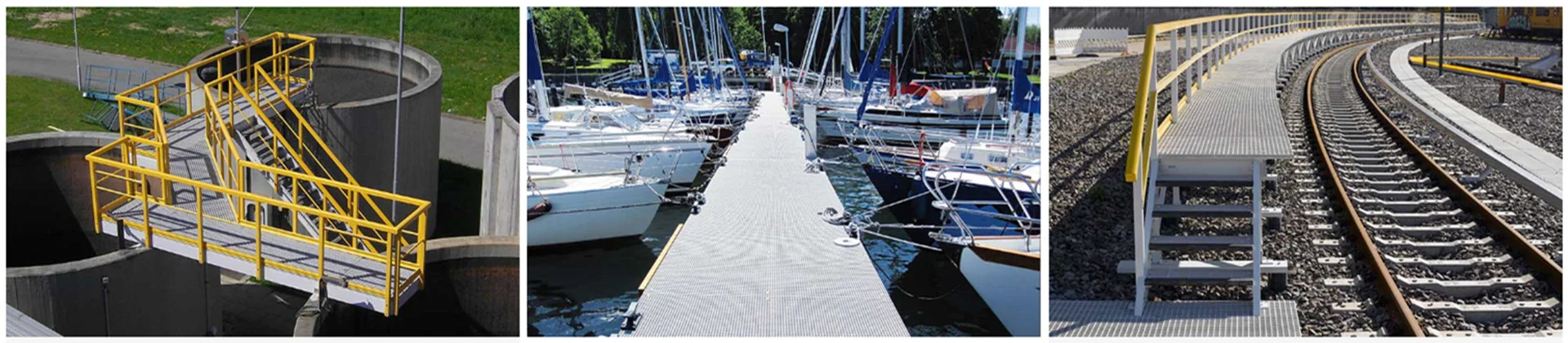
Corrosion is one of the biggest hidden costs in chemical plants, wastewater treatment facilities and other process industries. Acidic fumes, alkaline solutions and salt spray attack steel structures every day, leading to thinning sections, frequent repainting and even unexpected shutdowns. Fiberglass reinforced plastic (FRP) offers excellent corrosion resistance and has become an important structural material wherever traditional steel cannot survive.

fiberglass corrosion resistance
Why corrosion is a serious problem in industrial plants
In many chemical and process plants, structural members, platforms and equipment supports are constantly exposed to aggressive media. Typical corrosive factors include:
- Acids such as sulfuric acid, hydrochloric acid and nitric acid from production processes or fumes
- Alkaline solutions used for cleaning, neutralization or electroplating
- Salts and chlorides from seawater, cooling towers or de-icing chemicals
- Organic solvents and vapors that slowly attack protective coatings
- High humidity, temperature cycling and mechanical vibration that accelerate coating failure
Conventional carbon steel, even when protected with paint, rubber lining or plastic coating, gradually loses thickness. Once the coating is damaged, corrosion quickly develops under the film. This leads to problems such as:
- Short coating life and frequent maintenance shutdowns
- Loss of load-bearing capacity and safety risks for walkways and platforms
- Unexpected replacement of beams, columns and handrails
- High total lifecycle cost compared with the initial low material cost
Why fiberglass offers excellent corrosion resistance
Fiberglass reinforced plastic is a composite material consisting of glass fibers and a thermosetting resin. The resin matrix provides corrosion resistance, while the glass fibers provide high strength and stiffness. When properly designed, FRP structures can work for many years in environments where steel fails quickly.
The key reasons why fiberglass shows outstanding corrosion resistance include:
- Chemically resistant resin systems – Vinyl ester and isophthalic polyester resins are specially formulated to resist acids, alkalis, salts and many organic solvents.
- Continuous glass fiber reinforcement – Pultruded profiles use continuous glass rovings and mats to create high strength in both longitudinal and transverse directions.
- No rust or electrolytic corrosion – FRP does not rust or pit like metal, and is not affected by galvanic corrosion.
- Low water absorption – Properly cured fiberglass has very low water uptake, so its mechanical properties remain stable in wet environments.
- Good fatigue and impact resistance – FRP can withstand vibration and occasional impact without coating damage.
For many applications, replacing carbon steel with fiberglass structures significantly reduces maintenance requirements and extends service life.
Key corrosion-resistant fiberglass products
FRP structural profiles
Pultruded FRP structural profiles, such as I-beams, channels, square tubes and angles, are widely used as load-bearing members in corrosive environments. They combine high strength-to-weight ratio with excellent corrosion resistance. Typical applications include equipment platforms, pipe racks, walkways and support frames around process vessels.
Unicomposite supplies a wide range of standard fiberglass structural profiles and can also design custom pultrusions according to project requirements.
Fiberglass gratings and platforms
Fiberglass molded and pultruded gratings are ideal for floors, trench covers and platforms where liquids, chemicals and spills are present. Compared with steel grating, FRP grating offers:
- Excellent corrosion resistance to many chemical solutions
- Light weight for easier installation and modification
- Slip-resistant surface for improved worker safety
- Electrical and thermal insulation
For more information, visit our fiberglass grating product page.
FRP handrail and fencing systems
Handrails, guardrails and fencing near chemical tanks, clarifiers or coastal areas are often exposed to corrosive splashes and fumes. FRP handrail systems maintain their appearance and mechanical properties with very little maintenance compared with painted steel.
Unicomposite offers complete fiberglass handrail and fencing systems including posts, rails, kick plates and accessories, designed for rapid installation on site.
FRP tanks, pipes and ducts
In addition to structural members, fiberglass is widely used for tanks, pipes, scrubber shells and exhaust ducts that transport or store corrosive media. These components can be filament wound or hand-lay-up depending on design pressure and diameter. By selecting the correct resin and corrosion barrier, FRP tanks and pipelines can safely handle many chemical solutions with a long service life.
How to choose the right fiberglass system for corrosive environments
To achieve reliable performance, it is important to select the proper FRP product and resin system for each application. When evaluating fiberglass solutions, consider the following points:
- Chemical environment – Identify all chemicals, their concentration, operating temperature and possible cleaning agents. This information determines the recommended resin type and corrosion barrier thickness.
- Mechanical loads – Define live loads, dead loads, equipment weights and dynamic effects such as vibration or impact. Pultruded structural profiles can be engineered to meet required safety factors.
- Temperature range – Check continuous operating temperature and occasional peaks. High temperature conditions may require special resin formulations.
- Fire and smoke requirements – In some facilities, low flame spread and low smoke generation are important. Fire-retardant FRP formulas are available to meet these codes.
- Installation and maintenance – Because FRP is light, it can often be installed without heavy lifting equipment, especially on existing structures where access is limited.
By combining the right profile geometry, resin selection and fabrication process, Unicomposite can supply fiberglass structures that work reliably in highly corrosive environments.
Typical applications of corrosion-resistant fiberglass products
Corrosion-resistant FRP products are used across many industries, including:
- Chemical processing plants and fertilizer production
- Non-ferrous metal refining and electro-winning facilities
- Wastewater treatment plants and sewage lift stations
- Cooling towers and desalination plants
- Marine and coastal structures exposed to salt spray
- Power plants, flue gas desulfurization systems and scrubber platforms
In these environments, fiberglass structures help reduce unplanned downtime, improve worker safety and extend the life of platforms, walkways and equipment supports.
Work with Unicomposite for corrosion-resistant fiberglass solutions
Since 1998, Unicomposite has focused on fiberglass pultrusion technology and has supplied corrosion-resistant FRP products to customers worldwide. Our engineering team can assist with material selection, structural design and product customization to match your chemical environment and loading requirements.
If you are considering replacing corroded steel structures or planning a new project in a harsh environment, please contact us for professional advice and a detailed quotation. You can request a quote online or email us at info@unicomposite.com.


