 info@unicomposite.com



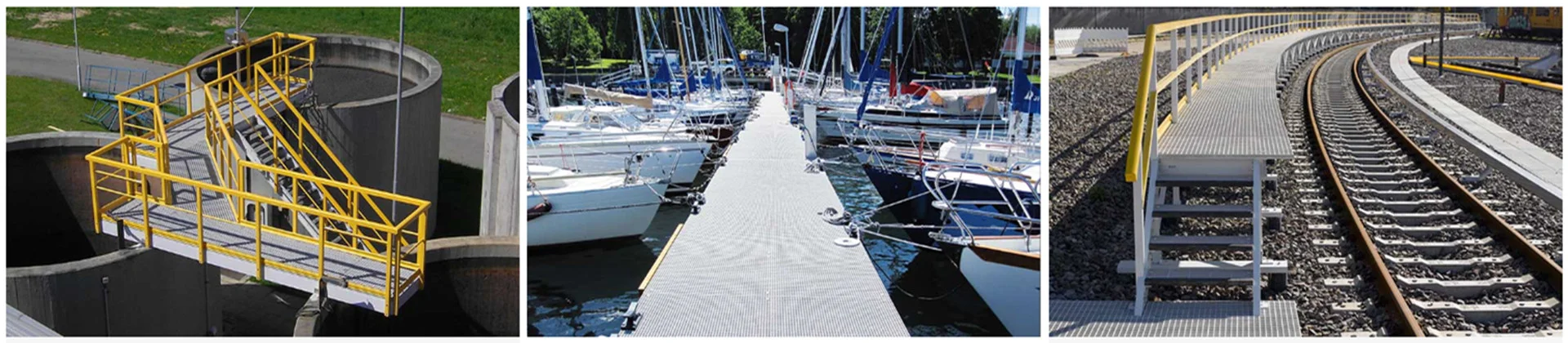
An epoxy fiberglass laminate sheet is a rigid composite made by bonding layers of woven glass cloth with a cured epoxy resin system. The glass fabric reinforces the sheet, while the resin binds the layers together. Industrial grades serve electrical insulation and structural support applications. The selected grade, sheet thickness and service environment determine which properties matter for a finished part. [1, 2]
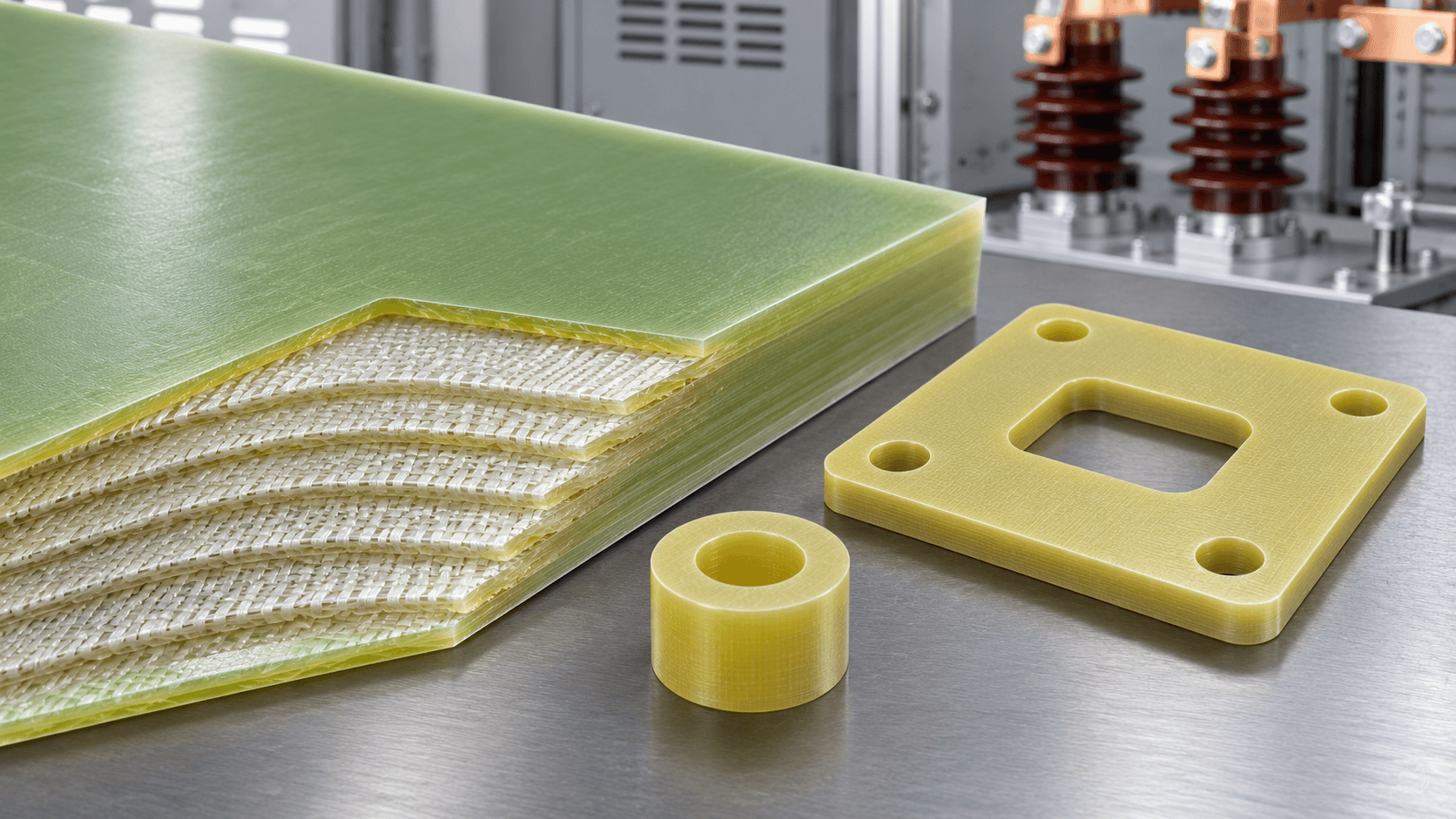
epoxy fiberglass laminate
How glass cloth becomes a laminate sheet
Manufacturing starts with glass fabric impregnated with a suitable epoxy resin system. Resin-impregnated reinforcement prepared for later curing is commonly called prepreg. Layers are stacked and consolidated under heat and pressure, then cured into a solid thermoset sheet. The cured stock can be cut or machined into the required shape. [1, 3]
The resulting sheet has a layered structure. Material data therefore needs a direction as well as a property name. A measurement through the sheet thickness and one along the laminations describe different test arrangements. Drawings and material specifications should preserve those directions when they affect the part’s function. [2, 4]
Manufacturers set press temperature, pressure, cure time and any post-cure for the particular resin system and sheet construction.
Where epoxy fiberglass laminate sheets are used
Epoxy glass sheets provide a combination of electrical insulation and mechanical support. Manufacturers describe glass epoxy grades for electrical and mechanical applications, including structural support. Parts cut from sheet may take the form of insulating plates, spacers or support pieces when the specified grade and finished geometry satisfy the equipment requirements. [2, 5]
For an insulating plate, identify the direction in which the material must provide insulation and select electrical data that matches it. A spacer carrying compressive load also needs compression data for the relevant loading direction. A support plate subject to bending needs both strength and stiffness information. In each case, assess the properties under the expected heat or moisture exposure. [2, 4, 8]
What G-10, FR-4, G-11 and FR-5 tell you
G-10, FR-4, G-11 and FR-5 identify epoxy glass laminate grades with different requirements. Norplex-Micarta’s industrial laminate guide describes their broad distinctions as follows. [6]
| Grade | Broad description in the manufacturer’s guide | Application question to resolve |
|---|---|---|
| G-10 | Epoxy glass | Which electrical and mechanical properties does the part require? |
| FR-4 | Flame-retardant epoxy glass | What flame classification applies to the selected material and thickness? |
| G-11 | High-temperature epoxy glass | What properties are available at the required service temperature? |
| FR-5 | High-temperature, flame-retardant epoxy glass | Are both the thermal and flammability requirements documented? |
The broad distinction is that FR-4 includes flame-retardant requirements, G-11 addresses elevated-temperature performance, and FR-5 combines elevated-temperature and flame-retardant requirements. These grade descriptions help narrow the selection. Product-specific data and the applicable specification establish acceptance requirements and suitability for substitution. Color provides a visual description, while the material designation and traceable documentation establish the grade. [6]
Key properties to review before choosing a sheet
Mechanical properties should match the load and direction
For a laminate part carrying load, distinguish strength from stiffness. Flexural strength is the maximum bending stress a specimen sustains under the specified test conditions. Flexural modulus characterizes stiffness and helps assess deflection. A support plate may need both adequate strength and limited movement. ASTM D790-25 covers flexural properties of reinforced plastics and electrical insulating materials, including strength and modulus. [8]
For a loaded spacer, compression data in the relevant direction may be more useful. HIPPE’s EP GC 201 data lists flexural strength, bending modulus and compressive strength perpendicular to the laminations as separate properties. The relevant property therefore depends on how the finished part carries its load. [2]
Use data for the specified grade, material direction and conditioning. Evaluate the finished part’s geometry, supports and attachments together with those material properties when determining its load capacity.
Electrical strength needs a test direction and conditions
Dielectric breakdown voltage is reported in voltage units such as kV. Dielectric strength is commonly expressed as voltage per thickness, such as kV/mm. Keep the units, specimen thickness, test direction and conditioning with the result.
ASTM D149-25 covers solid insulating materials tested at commercial power frequencies under specified conditions. Its public guidance identifies variables including specimen preparation, surrounding medium, temperature, electrodes and voltage application. It also explains that laboratory results usually need further evaluation before they can characterize behavior in an application. [4]
For a sheet used in electrical equipment, compare material results obtained under compatible conditions, then address the finished assembly’s insulation requirements. A laboratory breakdown result alone cannot establish the equipment’s operating-voltage rating.
Water absorption needs an exposure period and specimen description
Epoxy fiberglass laminates can be selected for moisture-resistant insulation, but their water uptake must be assessed for the specific material. ASTM D570-22 describes immersion testing and explains that absorption depends on exposure, specimen geometry and material characteristics. In laminates, uptake through cut edges can differ from uptake through the broad surfaces. [7]
Compare results with the same test conditions, duration, thickness and reporting basis. A value in milligrams records absorbed mass, while a percentage expresses uptake relative to a stated basis. Comparing the two requires the percentage definition, the specimen mass or other relevant reference quantity, and compatible exposure conditions. HIPPE’s EP GC 201 page, for example, reports water absorption in milligrams for a specified sheet thickness. [2, 7]
For a part exposed to humidity, include conditioned electrical properties in the assessment. Water absorption data alone leaves the part’s electrical performance under those conditions unresolved.
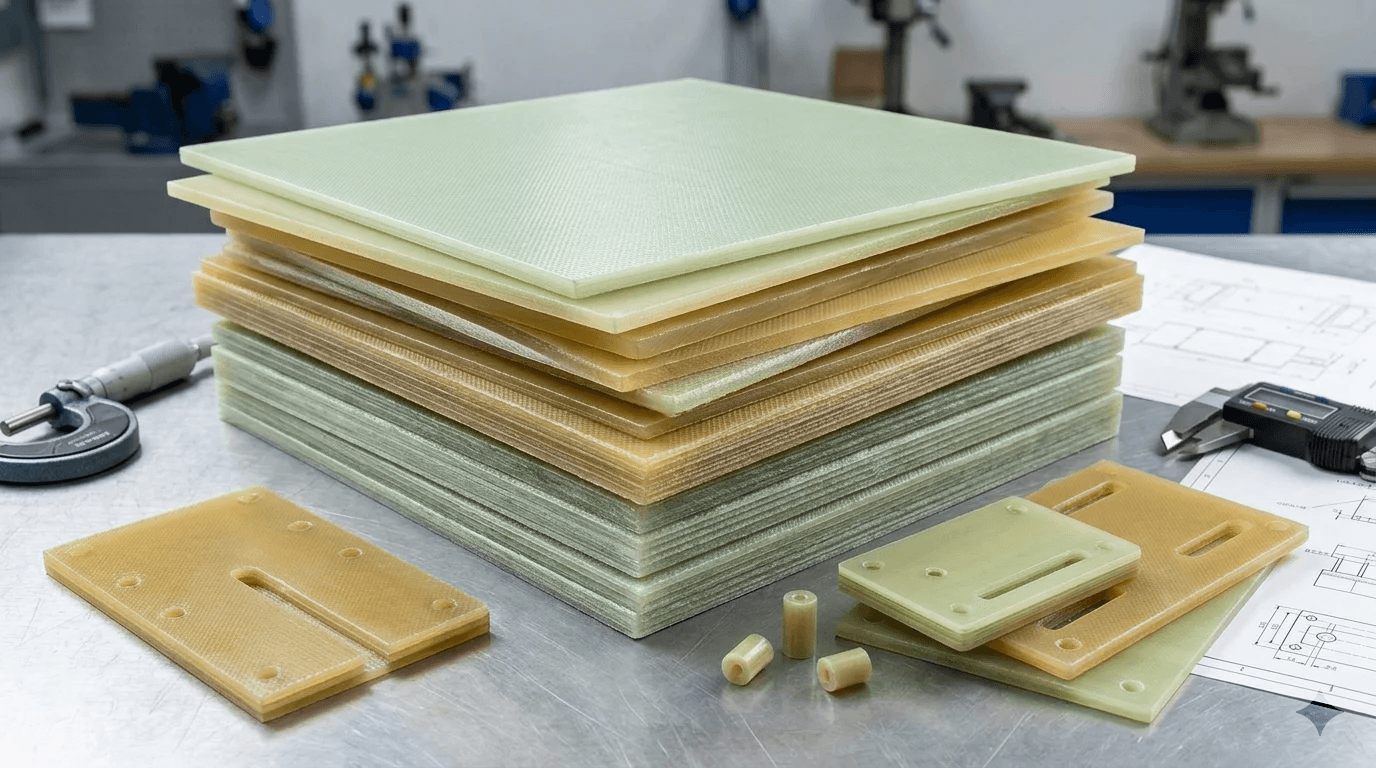
epoxy fiberglass laminate sheet
Thermal suitability involves the material and the insulation system
Thermal selection involves the properties needed at the operating temperature and the material’s endurance during prolonged heat exposure. For a support piece, consider its mechanical behavior at temperature. For an insulating part, consider the required electrical properties under the relevant thermal conditions. The phrase high-temperature epoxy provides an initial grade description, with material-specific data needed to establish suitability. [6, 9]
IEC 60085:2007 distinguishes thermal evaluation of electrical insulating materials from evaluation of electrical insulation systems. Apply the relevant evaluation to the actual material or system being specified. A temperature label for one laminate cannot establish the thermal class of an assembled electrical system. [9]
Flame classification belongs to the specified material
FR-4 and FR-5 are identified as flame-retardant epoxy glass grades in the manufacturer’s guide. A required UL 94 classification should also be checked against the specific material record and applicable thickness. UL’s explanation of vertical burning tests describes evaluation of burning, afterglow and dripping, while Rogers Corporation advises checking the rating, minimum thickness and approved colors. [6, 10, 11]
Keep the material identifier and applicable thickness with any quoted V-0 classification. That makes the statement meaningful when it appears in a drawing, purchase specification or material comparison.
From sheet stock to a finished insulation part
Cured laminate stock can be fabricated using processes selected for the geometry and tolerances. Norplex-Micarta lists cutting and machining among the available fabrication routes for thermoset sheets. [1]
Define the finished thickness, outline, hole locations and critical tolerances on the part drawing. Also identify any required material direction and the surfaces or edges important to insulation. These details let the material requirement and the fabricated shape be evaluated together.
For a first project discussion, a concise requirement can include the part drawing, specified material grade or governing specification, operating temperature, moisture exposure and required electrical or flame performance. Add the quantity for the quotation request.
If your wider project also requires electrical insulation profiles or components, send us your application requirements or drawings for a project discussion and quotation through our electrical insulation profiles and components page.
References
- Norplex-Micarta — Thermoset Sheets.
- Erhard HIPPE — EP GC 201 material information.
- LEP Engineering Plastics — Micarta Sheets.
- ASTM D149-25 — Dielectric breakdown voltage and dielectric strength of solid electrical insulating materials. Public scope and significance guidance.
- Norplex-Micarta — NP500A epoxy glass sheet.
- Norplex-Micarta — Industrial laminate grade descriptions.
- ASTM D570-22 — Water Absorption of Plastics. Public scope and significance guidance.
- ASTM D790-25 — Flexural properties of reinforced plastics and electrical insulating materials. Public scope and significance guidance.
- IEC 60085:2007 — Electrical insulation, thermal evaluation and designation. Public abstract.
- UL Solutions — Combustion Tests for Plastics.
- Rogers Corporation — UL 94 Flame Ratings.


