 info@unicomposite.com


Introduction
When metal corrodes, wood swells, and insulation hardware turns into a maintenance cycle, fiberglass rods start looking like the simplest path to predictable performance. In buying terms, “Fiberglass Rods Application” usually means a structural member that survives outdoors or chemical exposure while staying electrically quiet and easy to handle.
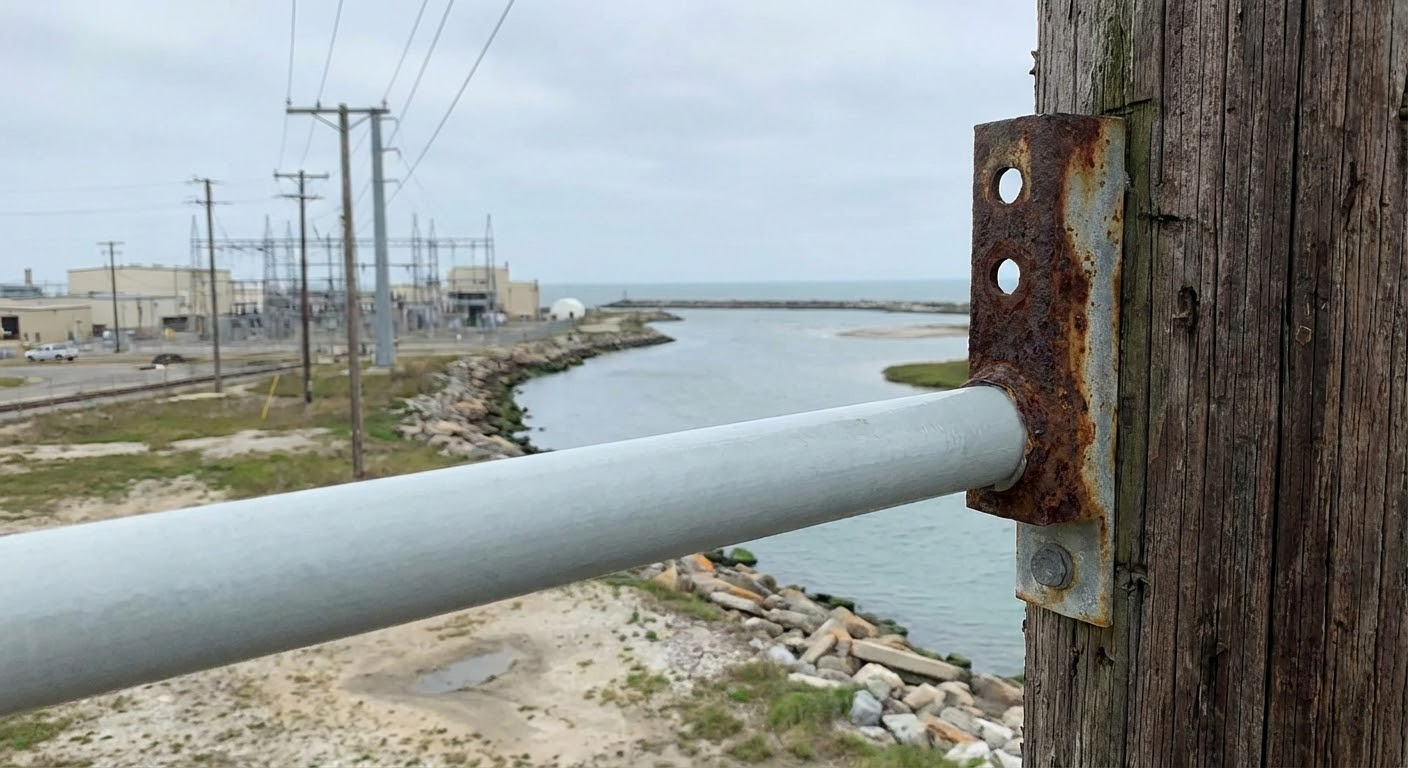
I learned this the hard way on a coastal retrofit where the failures were not dramatic. They were constant: rusty supports, insulation touch ups, and small parts that forced big downtime. We swapped to nonmetallic members, then discovered the real win came after we tightened the installation details, especially how holes were drilled and how loads were distributed at the interface.
Unicomposite is an ISO certificated professional pultrusion manufacturer with its own factory in China producing FRP pultrusion products and custom composite parts for sectors like electricity, wastewater treatment, cooling towers, agriculture, aquaculture, and marine. They also support other forming processes such as pulwound, SMC/BMC, and hand lay up for custom requests. For B2B buyers, this matters because it supports consistent volume supply plus engineering support and secondary operations, so your spec can stay stable across repeat orders.
fiberglass rods application
What Fiberglass Rods Are and Why They Perform Differently
Most industrial fiberglass rods are pultruded. Continuous glass fibers are pulled through resin and formed into a consistent round profile. Compared with metal, the advantage is rarely one single property. It is the combination that reduces lifecycle headaches.
A materials engineer I work with frames it simply: “The resin chooses the environment, the glass chooses the strength, and the process chooses the consistency.”
Three basics that directly affect application success:
- Resin system controls chemical resistance, water aging behavior, and temperature performance.
- Fiber content and alignment control stiffness, creep, and load carrying efficiency along the rod axis.
- Surface finish and veil choices affect UV durability, wear, bonding, and how cleanly the rod machines.
Fiberglass Rods Application: Top Industrial Uses by Sector
Below are common use cases and the spec levers that most often decide performance.
Power and utilities
Fiberglass rods show up as nonconductive supports, standoffs, braces near energized equipment, and hardware in outdoor assemblies where rust becomes a maintenance cycle. The spec priorities tend to be dielectric stability, dimensional repeatability, and weathering performance.
Telecommunications and antenna infrastructure
Nonmetallic members can reduce issues around RF sensitive equipment and outdoor towers exposed to UV and salt fog. Buyers emphasize straightness, UV resistance, and stable electrical properties across seasons.
Water, wastewater, and chemical processing
Rods are used in corrosive enclosures, splash zones, and hardware around tanks and channels. The biggest decision is usually resin choice plus documentation of chemical compatibility and quality consistency.
Marine and coastal installations
Salt spray accelerates metal degradation and increases rework. Here, weathering and corrosion resistance are the business case, then weight and handling speed become secondary benefits.
Agriculture and aquaculture
Greenhouse supports, wet cleaning environments, and aquaculture frames benefit from corrosion resistance and ease of handling. Buyers focus on moisture resistance, surface durability, and cut to length kitting to reduce site labor.
OEM manufacturing and custom assemblies
Inside machines or fabricated frames, rods become lightweight members, insulating spacers, and structural supports. OEM teams care most about tolerances, repeatability, and machinability because variation stops assembly lines.
How to Choose the Right Fiberglass Rod for Your Application
A reliable purchase spec starts with turning field requirements into measurable requirements.
First, define the load story:
- Load type: tension, bending, compression, fatigue, impact.
- Load duration: constant load versus intermittent load.
- Deflection sensitivity: whether small bending causes misalignment, rubbing, or seal issues.
Second, describe the environment precisely:
- Exposure: UV, salt fog, continuous wet, chemical splash, cleaning agents.
- Temperature range and cycling: daily swings, seasonal changes, hot washdowns.
- Electrical needs: target dielectric performance, clearances near energized equipment, and whether conductivity risk is acceptable.
Third, turn that into an RFQ checklist your supplier can actually quote:
- Dimensions: diameter tolerance, straightness requirement, and cut length tolerance.
- Material: resin system, fiber type, UV veil or surface protection if outdoors.
- Finishing: chamfers, drilling, threads, bonded inserts, or end sealing if needed.
- Documentation: certificate of conformity, lot traceability, and test reports.
Quick selection matrix for buyers
Use this as a starting filter, then confirm with engineering and your site environment.
- Outdoor, UV heavy, general industrial support
Priorities: UV protection, straightness, stable dimensions
Common asks: UV veil or coated surface, consistent tolerance, weathering expectations - Wet environments and frequent washdowns
Priorities: moisture resistance, surface durability, stable mechanical performance
Common asks: resin choice suited for wet exposure, incoming inspection plan, kitting to reduce handling damage - Chemical splash, vapor space, wastewater
Priorities: chemical resistance, documentation, consistent cure and batch control
Common asks: resin system aligned to chemicals, traceability, test reports tied to lots - Electrical isolation near energized equipment
Priorities: dielectric stability, safe clearances, nonconductive hardware strategy
Common asks: dielectric testing expectations, surface integrity, machining quality at holes and ends
Design and Installation Considerations That Prevent Field Failures
Most field failures come from interfaces, not from the rod material itself.
Joint and fastener checklist
Do:
- Use washers or bearing plates to spread load and reduce localized crushing.
- Deburr holes and protect cut ends to avoid stress risers.
- Keep hole placement conservative and validate with your joint design loads.
- Match fasteners and bushings to wet or corrosive service to avoid creating a new maintenance hotspot.
Avoid:
- Tight clamping on small bearing areas without washers.
- Rough drilling that tears fibers and weakens the bearing zone.
- Unsupported storage that bows rods over time.
Limits and verification
Any rule of thumb for hole spacing, edge distance, and joint geometry must be verified against the rod’s actual mechanical properties, your load cases, and safety factors. If the rod is structural and safety critical, run a pilot with defined acceptance criteria and involve engineering signoff.
Safety and shop practices
Cutting and drilling composites creates fine dust. Use local dust extraction, eye protection, gloves, and a cleanup routine that avoids sweeping dust into the air. If you outsource machining, request the shop’s dust control and finishing practices because surface quality at holes and ends matters for joint performance.
Quality Assurance: What to Test and What to Ask Suppliers
Bulk buyers get better outcomes when QA is simple enough to run every shipment but strong enough to catch meaningful variation.
Incoming inspection checklist
- Visual: cracks, voids, surface tears, discoloration, damaged packaging.
- Dimensional: diameter at multiple points, straightness along the length, cut length checks on a sample basis.
- Traceability: lot number, production date, and clear labeling.
What to request from suppliers
- Certificate of conformity and lot traceability.
- Test reports aligned to your use case, such as mechanical property verification and dielectric performance verification when required.
- Process consistency indicators, especially for repeat orders and tight tolerances.
This is where ISO controlled pultrusion operations can reduce buyer risk. A supplier set up for repeatability and batch tracking, like Unicomposite’s pultrusion model with secondary operations support, can help you standardize parts and reduce batch drift that shows up in assembly.
Case Study: Anonymized Buying Scenario and Outcome
Problem
A coastal industrial site kept replacing small metal supports and standoffs due to corrosion and insulation wear. Each part was cheap. The downtime and labor were not.
Pilot plan
We wrote acceptance criteria first:
- Dimensional consistency: diameter and straightness within our assembly tolerance.
- Electrical behavior: nonconductive performance appropriate for the installation zone.
- Interface durability: holes drilled cleanly with no fiber tearing and no crushing at the bearing surface.
Incoming checks were simple: dimensional sampling, visual inspection, and traceability verification. We also required washers sized to spread load and a consistent drilling method.
What went wrong and what we changed
On the first installation, a team used undersized washers and rushed drilling, which caused local crushing and rough hole edges. Once we enforced washer sizing and hole finishing, the joint behavior stabilized immediately.
Results
Over the next maintenance cycle, emergency replacements dropped materially. A practical internal estimate from the maintenance team put the reduction in unplanned callouts at about 50 percent, largely because rust driven failures were removed and joint installation became more repeatable. The main lesson was that the rod choice was only half the solution, and joint design plus installation discipline delivered the full benefit.
What I would do next time
I would standardize a one page installation method sheet as part of procurement so every crew drills, deburrs, and clamps the same way.
Customization and Manufacturing Support for Bulk Buyers
Standard rods are often enough. Customization becomes valuable when tolerances need tightening, the environment is aggressive, or you want to reduce labor with pre cut and machined kits.
Common custom requests:
- Custom diameters and tighter straightness control.
- Resin upgrades for wet, hot, or chemical exposure.
- UV and abrasion focused surface treatments.
- Cut to length packaging, drilled ends, chamfers, and insert integration.
Pultrusion supports repeatable volume, and suppliers that can also provide secondary operations can reduce total landed cost even if the piece price is higher. Unicomposite supports standard pultruded fiberglass profiles, custom fiberglass fabrication, and additional forming processes such as pulwound, SMC/BMC, and hand lay up when designs call for something beyond a simple rod.
Conclusion
If you are evaluating Fiberglass Rods Application for industrial builds, start with environment and interfaces, then lock down tolerances and documentation. Buyers who do well treat rods as a system component: material, joint design, and QA work together.
If you are purchasing in volume, the most effective next step is a small pilot order with written acceptance criteria and an installation method sheet. That approach turns a material choice into predictable performance, which is what most sourcing teams are really buying.
Frequently Asked Questions
Service life depends on UV exposure, resin system, and surface protection. Outdoor use typically benefits from UV veils or protective coatings and careful storage to avoid surface damage before installation. For critical builds, validate with a pilot and inspection plan.
Resin choice should match the chemicals, concentration, and temperature, including vapor space exposure. Many buyers treat this as a documentation requirement and request compatibility guidance plus lot traceability and test reports tied to the order.
Yes, but joint quality depends heavily on drilling method and finishing. Clean holes, deburring, proper washers, and controlled clamping reduce the most common bearing and crushing issues. Dust control and PPE are also important during machining.
At minimum specify dimensions and tolerances, resin system, surface protection, end finishing needs, and documentation requirements such as certificate of conformity and lot traceability. If electrical performance is part of the application, add dielectric expectations and related testing requirements.
Custom makes sense when tight tolerances affect assembly fit, when the environment drives a resin upgrade, or when kitting and machining reduces your total installed cost. Buyers often start with a pilot using standard rod sizes, then customize once acceptance criteria are clear.


