 info@unicomposite.com


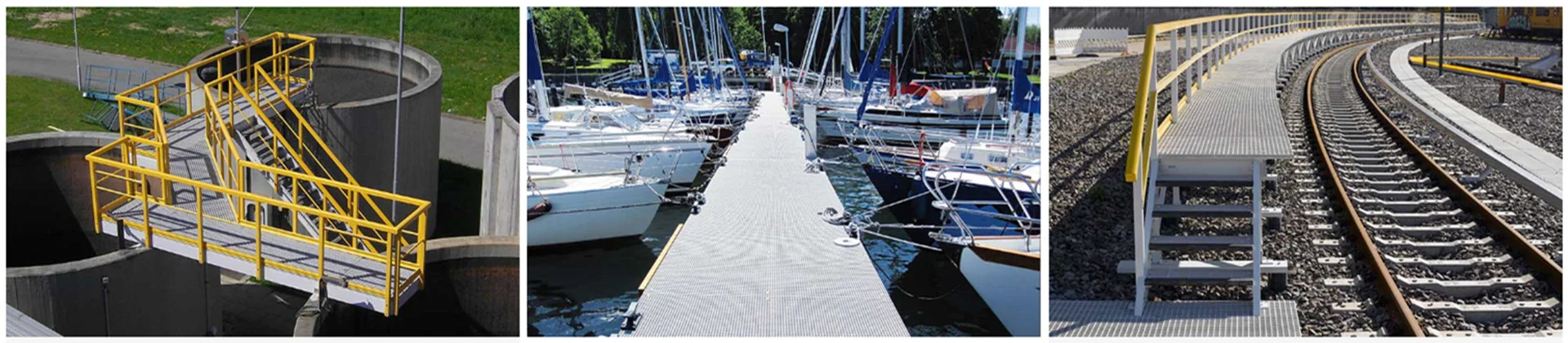
Fiberglass is widely used in construction, electrical, marine, agriculture, and industrial equipment because it offers a rare combination of high strength-to-weight, corrosion resistance, and electrical insulation. In this guide, we break down the most important characteristics of fiberglass (and fiberglass-reinforced plastic / FRP), what they mean in real projects, and how to choose the right fiberglass product.

characteristics of fiberglass
Quick answer: what are the characteristics of fiberglass?
In practical terms, fiberglass (especially when used as FRP composites) is known for:
- High strength-to-weight ratio (strong but much lighter than steel)
- Excellent corrosion resistance (no rust; performs well in moisture, salt, many chemicals)
- Electrical insulation and non-magnetic behavior (useful near power equipment/MRI rooms)
- Good weatherability when properly formulated (UV stabilizers, suitable resin system)
- Low maintenance and long service life in harsh environments
However, fiberglass performance is not “one fixed number”. It depends on fiber type, resin system, fiber orientation, manufacturing process (e.g., pultrusion), and the environment (UV, temperature, chemicals, and load style).
10 key characteristics of fiberglass (FRP)
1) High strength-to-weight ratio
Fiberglass composites can deliver strong structural performance at a fraction of the weight of metals. This helps reduce handling effort, installation time, and shipping costs—especially for long profiles, tubes, and poles.
2) Corrosion resistance (no rust)
Unlike steel, fiberglass does not rust. In wet, coastal, or chemical environments, FRP is often chosen to avoid repainting, coating failures, and premature replacement. Resin selection matters here (e.g., vinyl ester vs. polyester vs. epoxy) depending on exposure.
3) Electrical insulation
Fiberglass is widely used where electrical safety is critical—ladders, platforms, cable management, and tooling around energized equipment—because it is a good electrical insulator when properly designed and kept clean/dry.
4) Non-magnetic and RF transparent (application-dependent)
Fiberglass is generally non-magnetic and can be more radio-frequency transparent than metals, which can be useful in certain electrical, medical, and communications applications.
5) Weather and UV performance (with the right formulation)
Outdoor fiberglass products can be engineered for long-term use by choosing UV-stabilized resin systems, surface veils, and appropriate pigments/coatings. If UV is ignored, surfaces may chalk or fade over time—so “UV resistant” should be a specified requirement, not an assumption.
6) Dimensional stability and low thermal conductivity
Fiberglass has relatively low thermal conductivity compared with metals, which can be valuable for touch safety and thermal bridging control in certain designs. Dimensional stability is also important for consistent assemblies and repeatability.
7) Fatigue resistance
In many cyclic-loading applications, FRP can perform well when designed correctly. This is one reason fiberglass is used for long members that see repeated stress (poles, certain structural components).
8) Chemical resistance (varies by resin system)
Fiberglass composites can be formulated to resist many chemicals, but chemical compatibility must be checked. The resin system is often the deciding factor for acids, alkalis, solvents, and elevated temperatures.
9) Design flexibility
Fiberglass products can be made in many shapes and surface finishes. For example, pultruded FRP profiles can be produced consistently in custom cross-sections (angles, channels, tubes, rods), supporting lightweight structures and modular builds.
10) Low maintenance and long service life
Because fiberglass resists rust and many forms of degradation, the total cost of ownership is often favorable—especially where labor is expensive or access is difficult (towers, rooftops, marine structures, farms, wastewater facilities).
What affects fiberglass performance in products?
If you’re comparing fiberglass products from different suppliers, here are the main factors that change real-world performance:
- Fiber orientation: unidirectional fibers boost axial strength; woven fabrics can improve multi-directional behavior.
- Fiber content (volume fraction): higher fiber content often improves stiffness/strength, but must be controlled for quality.
- Resin system: polyester, vinyl ester, epoxy, and phenolic each have different corrosion, temperature, and fire performance.
- Manufacturing process: pultrusion is ideal for consistent, high-volume linear profiles; other methods suit complex shapes.
- Surface system: veils, coatings, grit, or protective layers can improve UV resistance, wear, and slip resistance.
- Quality control: stable cure, consistent dimensions, and proper raw materials reduce variability and failures.
Where these characteristics matter most (applications)
The same “fiberglass characteristics” show up across many industries, but the priority changes by use case:
- Electrical & utilities: insulation + non-conductive safety (ladders, platforms, tool handles, cable trays).
- Marine/coastal: salt corrosion resistance + low maintenance (structures, supports, walkways).
- Industrial plants: chemical resistance + corrosion resistance (cooling tower components, platforms, handrails).
- Agriculture: weather/UV resistance + long life (stakes, supports, poles).
- Construction: light weight + corrosion resistance (rebar alternatives in aggressive environments, profiles).
Tip: If you also offer FRP profiles/rods/tubes on your site, add internal links here to the most relevant product/category pages to strengthen topical relevance.
Selection checklist: how to choose fiberglass products
Use this checklist when specifying or sourcing fiberglass/FRP parts:
- Environment: indoor/outdoor, UV exposure, moisture, salt, chemicals.
- Load requirement: axial vs. bending, static vs. cyclic loading, safety factors.
- Temperature range: continuous operating temperature and any short-term spikes.
- Electrical needs: insulation, tracking resistance, clearance distances, contamination risks.
- Fire/smoke requirements: confirm resin options if codes apply (ask for test data if needed).
- Dimensions & tolerances: critical fits, straightness, surface finish, color.
- Compliance and documentation: drawings, material data sheets, inspection plans.
If you need custom fiberglass products (profiles, rods, tubes, poles), it helps to prepare: drawing + target length + load case + environment + quantity. That’s usually enough for a supplier to propose materials and a cost-effective process.
Need help choosing the right fiberglass product?
If you’re selecting fiberglass/FRP materials for an industrial project, send your requirements (application, environment, size, quantity). We can help recommend a suitable resin system and product form (profile, rod, tube, pole) and provide a quotation.
Contact us to request a spec discussion or quote.
FAQ
It depends on how you define “stronger” (tensile strength, stiffness, impact, buckling) and on the specific fiberglass composite design. Fiberglass can offer excellent tensile performance per weight, but steel is typically stiffer. Always compare the exact property that matters for your design.
No. Fiberglass does not rust like steel. This is one of the main reasons FRP is selected for wet, coastal, and corrosive environments.
Yes—fiberglass is widely used as an electrical insulator. Real-world performance still depends on surface condition, moisture, contamination, and design clearance.
Fiberglass products can be made UV resistant, but UV performance depends on resin system, additives, surface veil, and coatings. For outdoor use, UV resistance should be specified and verified.


