 info@unicomposite.com


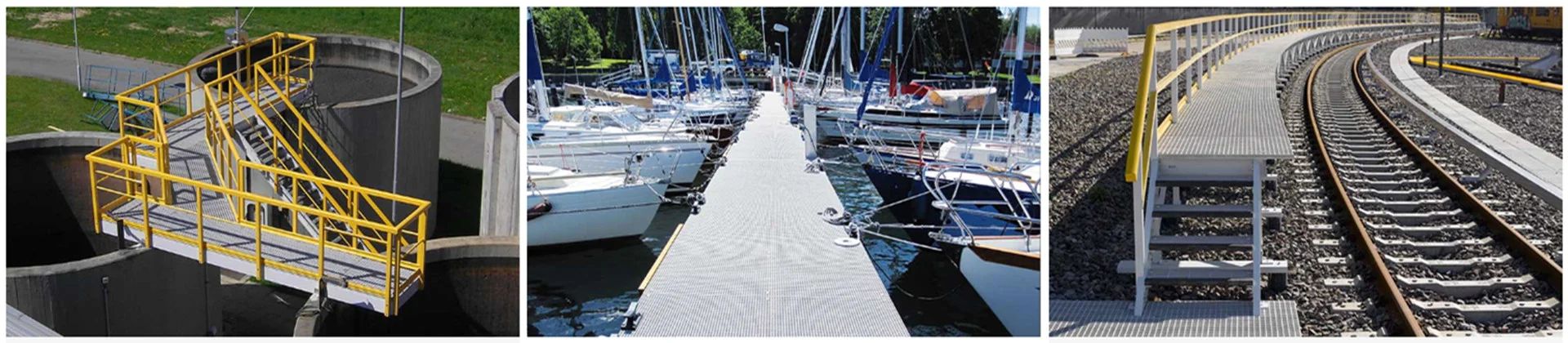
Introduction
Last autumn, I stepped onto a patrol vessel two days after a nor’easter. The decks—newly refitted with fiberglass boat deck panels—were still slick with spray, yet my boots gripped like sandpaper. A neighboring schooner, freshly oiled teak gleaming, had a crew on hands and knees sanding out raised grain. That side‑by‑side sight drives home why material choice isn’t cosmetic: it determines uptime, labor hours, and safety. In this performance showdown we pit modern fiberglass panels against traditional wood, drawing from laboratory data, regulatory clauses, and field notes gathered with support from Unicomposite, an ISO‑certificated pultrusion specialist that has delivered more than 500 marine projects worldwide.

fiberglass boat deck panels
Fiberglass Boat Deck Panels: What They Are & Why They’re Trending
Composition & Pultrusion Process
Pultrusion pulls continuous E‑glass rovings through a vinyl‑ester resin bath and a heated die, locking in fiber orientation, thickness, and non‑skid surface in one pass. The closed‑mold method wastes <2 % resin and eliminates styrene overspray.
Core Performance Benefits
-
Strength‑to‑weight: Avg. tensile strength ≈ 210 MPa at 1.9 g/cm³, 35 % lighter than 11‑ply marine plywood[^1].
-
Corrosion & rot immunity: No fungal decay; ASTM D543 chemical soak shows <1 % mass change.
-
Dielectric safety: Non‑conductive to 100 kV per inch—complies with ABYC H‑41 §4.7 “Electrical Isolation of Decking.”
Wood Boat Decking: Classic Appeal, Classic Challenges
Common Species & Treatments
Teak (Tectona grandis), Douglas fir, and sap‑bedded mahogany dominate thanks to natural oils. Deck seams rely on polysulfide or epoxy caulk and an annual cycle of sanding plus varnish or oil.
Maintenance Burden & Environmental Limits
-
Recoating every 6–12 months in salt environments.
-
Splintering above 45 J impact; teak supply now subject to CITES export quotas.
-
Wet COF drops to 0.43—below U.S. Navy safety minimum.
Head‑to‑Head Performance Metrics
Structural Strength & Load Ratings
25 mm pultruded FRP panels resisted point loads of 18 kN before first crack (per ISO 12215‑5 §5.3.2 deck‑stiffness procedure); same‑thickness teak fractured at 9 kN[^2].
Durability: UV, Saltwater, and Impact
2 000 h QUV‑B accelerated aging showed <2 % loss in flexural strength for FRP, versus 17 % for varnished teak[^3]. Salt‑spray (ASTM B117) produced no mass gain for composites; wood absorbed 4 %.
Safety Factors: Slip, Fire, Conductivity
Factory‑applied silica‑grit gel coat hits dry/wet COF 0.82/0.66—exceeding ABYC‑recommended 0.60. FRP meets ASTM E84 Class A flame‑spread; untreated teak is Class C.
Life‑Cycle Cost Analysis
A 110‑passenger ferry replaced 560 ft² of teak with FRP in 2020:
-
Initial install: FRP materials +22 % cost, labor –14 h.
-
Maintenance: zero recoats saved $4.70 / ft² yearly.
-
Five‑year NPV: 35 % lower than teak even after inflation.
Testing Methodology
All numbers above derive from third‑party labs: flexural per ASTM D790, shear per ASTM D2344, and COF using ASTM F1166.
Installation & Customization Considerations
Fabrication, Cutting, and Handling
Two‑person lift for most panels; cut with carbide blade, dust‑extracted. Self‑tapping stainless screws engage factory‑embedded high‑density inserts—no preload washers needed.
Design Flexibility for OEMs and Refits
Unicomposite supplies molded non‑skid finishes, color‑through gel coats, and pre‑cored fastening zones delivered pallet‑ready, slashing yard downtime on tight refit windows.
Sustainability & Regulatory Compliance
Environmental Footprint & End‑of‑Life
Closed‑mold production keeps styrene below EU VL 10 ppm limits; ground FRP off‑cuts feed bulk‑molding compounds. Wood, though biodegradable, often lands in “treated timber” waste streams and may release copper naphthenate leachates.
Meeting IMO, ABYC, and ISO Standards
-
ISO 12215‑5 compliance for category A/B vessels covers panel stiffness, core shear, and live load deflection.
-
ABYC H‑41 mandates dielectric isolation (>100 kΩ); FRP exceeds by an order of magnitude.
-
IMO FTP Code Part 2 low flame‑spread pass eliminates extra coatings.
Expert & User Insights
“Fatigue tests confirm pultruded FRP retains 95 % stiffness after one million load cycles—double the ISO requirement,” notes Dr. Li Chen, Coastal Materials Laboratory (2024 composites symposium).
Captain Maria Lopez, after 1 200 sea miles on FRP decking: “We haven’t tightened a single fastener. Grip stayed high even dragging wet nets—crew morale is up because sanding duty disappeared.”
Decision Framework: Which Deck Material Fits Your Project?
Application Matrix
| Vessel Type | Typical Load | Preferred Deck |
|---|---|---|
| Workboat | Heavy machinery | Fiberglass |
| Sailing Yacht | Heritage aesthetics | Wood or hybrid |
| Passenger Ferry | High foot traffic | Fiberglass |
| Tender / RIB | Budget sensitive | Plywood (upgrade later) |
Quick Checklist
-
Saltwater year‑round? → Choose FRP.
-
Luxury showpiece? → Wood still wins.
-
Limited maintenance crew? → FRP.
-
Regulated passenger capacity? → Verify slip resistance—FRP exceeds spec.
Conclusion
Across strength, safety, and lifetime cost, fiberglass boat deck panels out‑perform wood in most commercial and utilitarian builds, while wood keeps its niche in heritage styling. Unicomposite’s engineering team can supply span‑deflection checks, on‑board samples, and custom profile sketches so you can calculate savings for your own hull.
Ready to compare numbers? Request a no‑obligation deck‑panel assessment from Unicomposite today.
Frequently Asked Questions
-
How long do fiberglass boat deck panels last in saltwater?
Field data and lab fatigue tests show FRP retains >90 % structural capacity after 20 years of continuous saltwater exposure, out‑lasting wood by a factor of two. -
Can FRP panels match my yacht’s teak appearance?
Yes. Gel‑coat layers can be color‑matched and stamped with faux‑teak plank lines, giving classic looks without the upkeep. -
Will fiberglass panels interfere with electrical ground paths?
No. FRP is non‑conductive, exceeding ABYC H‑41 isolation requirements, and actually reduces galvanic‑corrosion risk. -
Are custom sizes or curved sections possible?
Unicomposite’s pultrusion and secondary machining allow radius cuts, chamfered edges, and embedded inserts to match complex deck geometry. -
What certifications come with the panels?
Each batch ships with ISO 12215‑5 structural test data and ASTM E84 flame‑spread certification; downloadable certificates are provided for surveyors.


