 info@unicomposite.com


Introduction
Industrial access areas often fail in predictable ways. Floors stay wet, steel corrodes, coatings break down, workers need safer footing, and maintenance teams lose time replacing grating in places that are difficult to reach.
Heavy duty fiberglass grating is designed for demanding industrial floors, platforms, walkways, trench covers, equipment access areas, and processing zones. For engineers, procurement managers, operations directors, oil and gas buyers, chemical plant teams, and wastewater operators, the buying question is practical: will the grating carry the required load, resist the environment, and reduce maintenance over time?
This guide explains what heavy duty fiberglass grating is, how it compares with steel, how molded and pultruded FRP grating differ, and what buyers should confirm before ordering.

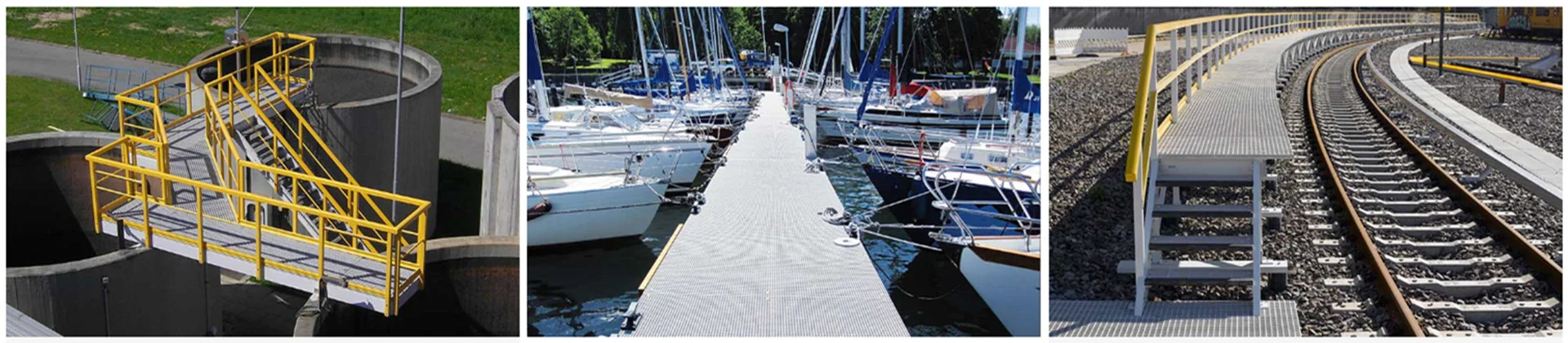
heavy duty fiberglass grating for industrial use
What Is Heavy Duty Fiberglass Grating?
Heavy duty fiberglass grating is an FRP grating system designed for demanding industrial access areas where load, corrosion, slip resistance, and service life matter. It is commonly used for platforms, walkways, trench covers, equipment decks, stairs, and maintenance access routes.
The phrase “heavy duty” should always be verified by specifications. Buyers should confirm load requirement, support span, grating thickness, panel size, bearing direction, resin system, fastener layout, and installation conditions before selecting a product.
Definition of heavy duty FRP grating
FRP stands for fiberglass reinforced plastic. In grating applications, glass fiber reinforcement provides strength, while the resin system helps define corrosion resistance, fire behavior, UV performance, and chemical suitability.
Heavy duty FRP grating may be molded or pultruded. The right type depends on whether the project needs multi directional corrosion resistant panels, longer span performance, stronger directional stiffness, or easier cut to size installation.
How is heavy duty grating different from standard fiberglass grating?
Heavy duty fiberglass grating is designed for higher loads, wider spans, harsher environments, or more demanding industrial use than standard FRP grating. The difference usually comes from grating thickness, bearing bar design, resin system, panel structure, support spacing, fastener layout, and installation method.
A light duty walkway may only carry worker traffic. A refinery trench cover, oil and gas platform, or industrial maintenance deck may need to support tools, carts, concentrated loads, chemical exposure, and frequent washdown. That difference changes the grating specification.
Key materials: glass fiber reinforcement and resin system
Glass fiber reinforcement affects strength and stiffness. Resin affects corrosion resistance, flame retardant behavior, weathering, and chemical compatibility. Both matter.
Actual performance depends on resin formulation, glass fiber reinforcement, molded or pultruded structure, grating geometry, thickness, surface treatment, support span, fastener material, installation method, and site exposure. A buyer should never select heavy duty grating by product name alone.
Why Choose Heavy Duty Fiberglass Grating?
Industrial buyers usually consider FRP grating when steel creates too much maintenance, weight, or corrosion risk. In many facilities, the strongest value comes from reducing long term access problems, not only reducing initial material cost.
High strength to weight ratio
Heavy duty fiberglass grating can provide useful load carrying performance while remaining easier to handle than steel panels. In elevated areas, confined spaces, or retrofit projects, lower panel weight can simplify installation.
Field crews often value lighter panels when they need to work around tanks, pipe racks, narrow platforms, or difficult access points. Easier handling can reduce installation time and help limit heavy lifting requirements in some areas.
Corrosion and chemical resistance
Chemical plants, oil and gas facilities, wastewater treatment plants, marine sites, and refineries can expose grating to moisture, salt, chemicals, vapors, and washdown. FRP grating does not rust like carbon steel.
Resin selection must match the environment. Buyers should provide chemical type, concentration, temperature, moisture, cleaning conditions, and whether the area is indoor, outdoor, coastal, or submerged.
Slip resistance and worker safety
Wet industrial floors increase slip risk. Heavy duty fiberglass grating is often supplied with a grit top or other slip resistant surface to improve worker footing in wet, oily, or washdown areas.
Surface choice should match the site. A more aggressive grit surface may improve traction, while some processing areas may require a surface that balances slip resistance with easier cleaning.
UV and outdoor performance
Outdoor platforms, loading areas, marine access routes, and utility sites need UV and weather resistance. FRP grating can be specified for outdoor exposure when the resin, UV package, and surface finish match the application.
Buyers should identify sunlight exposure, weather cycles, and whether panels will remain outdoors year round.
Low maintenance in harsh environments
FRP grating can reduce rust repair, repainting, and coating maintenance in corrosive areas. That is especially valuable where shutdowns are expensive or access is difficult.
Low maintenance still requires planned inspection. Teams should check fasteners, supports, impact damage, surface wear, chemical exposure changes, and debris buildup.
Heavy Duty Fiberglass Grating vs Steel Grating
Material selection should reflect operating conditions, load, maintenance access, and lifecycle cost. The table below compares common decision factors for industrial access systems.
| Factor | Heavy Duty Fiberglass Grating | Steel Grating | Buyer Takeaway |
|---|---|---|---|
| Corrosion resistance | Resists rust in wet and chemical areas | Can rust if coating fails | FRP suits corrosive environments |
| Weight | Lightweight compared with metal panels | Heavier to move and install | FRP can simplify handling |
| Maintenance | Lower rust related maintenance | May need coating repair | FRP can reduce long term work |
| Slip resistance | Grit surfaces available | Serrated surfaces available | Match surface to site risk |
| Electrical conductivity | Non conductive material | Conductive material | FRP helps in electrically sensitive areas |
| Installation | Cut and fasten with suitable tools | Bolted or welded systems common | Method affects project planning |
| Lifecycle cost | Often strong in corrosive areas | Can be cost effective in dry areas | Compare total ownership cost |
| Heavy load suitability | Suitable within design limits | Strong for very heavy mechanical loads | Engineering review is required |
| Outdoor performance | Depends on resin and UV package | Depends on coating or galvanizing | Exposure should guide selection |
When should buyers choose fiberglass grating instead of steel?
Buyers should choose heavy duty fiberglass grating when corrosion resistance, lower maintenance, lighter handling, slip resistance, and electrical insulation matter in wet, chemical, or outdoor industrial environments. Steel may still be suitable where extreme impact resistance, welding, or very high structural stiffness is required.
FRP grating is often selected for oil and gas facilities, refineries, wastewater plants, chemical plants, marine platforms, and industrial access walkways. It performs best when the resin, span, fasteners, support layout, and surface finish match the environment.
When steel grating may still be suitable
Steel grating may remain practical in dry indoor areas, existing welded structures, severe mechanical abuse zones, or applications with specific structural requirements. Some facilities also prefer steel for standardized maintenance inventories.
A credible specification compares the actual load, exposure, impact risk, installation method, and maintenance cost before choosing the material.
Molded vs Pultruded Heavy Duty FRP Grating
Molded and pultruded FRP grating can both serve heavy duty applications, but they solve different problems. The best choice depends on span, load direction, corrosion exposure, cutting needs, and support layout.
Molded grating for corrosion and multi directional loads
Molded FRP grating is produced as a one piece grid panel. It is often used in wet, corrosive, and multi directional loading environments such as chemical floors, trench covers, wastewater walkways, and processing areas.
Its grid structure can distribute loads in multiple directions, which is useful where panels are cut or where traffic direction changes.
Pultruded grating for longer spans and directional strength
Pultruded FRP grating is assembled from pultruded bearing bars and cross rods. It is often selected for longer spans, stronger directional stiffness, and industrial walkways or platforms where the bearing direction is clearly defined.
Pultruded grating depends heavily on correct bearing bar orientation. Wrong panel orientation can reduce stiffness and increase deflection.
How should buyers choose between molded and pultruded grating?
Buyers should choose molded grating when corrosion resistance, drainage, and multi directional load distribution are priorities. Pultruded grating is often better when longer spans, higher directional stiffness, and efficient structural support are required. Final selection depends on load, span, environment, surface, and installation layout.
A chemical trench area may favor molded grating. A longer industrial walkway with a clear support direction may favor pultruded grating. The choice should follow project data.
Molded vs pultruded selection table
| Grating Type | Strength Profile | Best Use | Limitation | Buying Note |
|---|---|---|---|---|
| Molded FRP grating | Multi directional load distribution | Chemical floors, trench covers, wet areas | May have more deflection on longer spans | Good for corrosive and cut panel areas |
| Pultruded FRP grating | Strong directional stiffness | Longer walkways and platforms | Requires correct bearing direction | Confirm span and orientation |
| Covered FRP panels | Solid or semi covered walking surface | Areas needing splash or small object control | May reduce drainage and airflow | Confirm cleaning and drainage needs |
| Cut to size panels | Customized fit | Retrofits, openings, irregular areas | Poor cuts can weaken edges | Provide drawings and cutout details |
Common Applications of Heavy Duty FRP Grating
Heavy duty FRP grating is used where industrial access systems must survive wet, corrosive, or high traffic service. Application details should guide resin, thickness, surface, and fastening choices.
Oil and gas facilities
Oil and gas facilities often need grating for platforms, pipe racks, equipment access, service walkways, and drainage areas. Search demand around heavy duty FRP grating for oil and gas reflects a real procurement need.
Buyers should confirm load class, fire expectations, chemical exposure, UV exposure, and whether panels will face offshore, refinery, or processing conditions.
Oil refineries and petrochemical plants
Refineries and petrochemical plants can expose grating to moisture, hydrocarbon contamination, chemicals, heat, and worker traffic. Heavy duty FRP grating may reduce corrosion related maintenance in access zones.
In one anonymized refinery access area, the original metal grating showed coating failure around a wet processing route. Fasteners had started to corrode, and several panels needed repeated replacement after washdown exposure. The project team reviewed resin compatibility, support span, grit surface, fastener material, cutout locations, and panel layout before choosing heavy duty FRP grating for the access route.
Chemical plants
Chemical facilities may involve acids, alkalis, salts, solvents, or chemical vapors. FRP grating can perform well when the resin system fits the actual exposure.
Buyers should provide chemical type, concentration, temperature, and cleaning process. This information helps avoid under specifying the resin.
Wastewater treatment plants
Wastewater environments are wet, corrosive, and maintenance heavy. FRP grating is commonly used for trench covers, platforms, walkways, and equipment access around tanks, channels, and processing areas.
Slip resistant surfaces and open area for drainage are especially useful in these locations.
Offshore platforms and marine sites
Marine and offshore applications may involve salt air, splash exposure, UV, wind, and restricted installation access. Lightweight FRP panels can help with handling in difficult locations.
Fire, impact, resin selection, fasteners, and project engineering requirements should be reviewed carefully for offshore projects.
Food and beverage processing areas
Food and beverage facilities often need drainage, washdown resistance, and safe walking surfaces. FRP grating can support wet access routes, platforms, and processing areas when surface finish and cleaning requirements align.
Buyers should confirm hygiene expectations, cleaning chemicals, and whether open area or covered panels are preferred.
Industrial walkways, platforms and trench covers
Industrial walkways, platforms, and trench covers may face worker traffic, carts, tools, washdown, debris, and concentrated loads. Heavy duty grating should be selected by load, span, and support conditions.
Support layout matters as much as panel thickness.
How to Choose the Right Heavy Duty Fiberglass Grating
The right specification starts with project data. Buyers who provide accurate load, span, environment, and drawing details get better recommendations and fewer quote revisions.
What load and span data should buyers confirm?
Buyers should confirm live load, concentrated load, support span, deflection expectations, panel size, grating thickness, surface type, fastener layout, and whether workers, carts, or equipment will use the area. These details help determine the correct FRP grating type and support design.
Live load refers to people and movable loads. Concentrated load refers to weight applied over a smaller area, such as a wheel or equipment foot. Span is the distance between supports. Deflection is panel movement under load. Bearing direction is the main direction in which the grating carries load.
Load rating and support span
Load rating cannot be separated from span and support layout. The same panel may behave differently at different support distances.
Buyers should avoid choosing heavy duty grating by thickness alone. Grating type, bearing direction, fasteners, edge support, and deflection expectations all affect performance.
Panel size, thickness and open area
Panel size affects handling, cutting, installation speed, and waste. Thickness affects stiffness and load capacity. Open area affects drainage, airflow, debris fall through, and cleaning.
In wet industrial areas, open grating can improve drainage. In areas where dropped objects matter, covered or smaller opening panels may be considered.
Resin system and chemical exposure
Resin selection should match industrial exposure. General industrial, chemical, wastewater, marine, and refinery environments may require different resin systems.
RFQs should include chemical exposure, concentration, temperature, washdown method, moisture level, and outdoor conditions.
Surface finish and slip resistance
Surface finish affects worker safety and cleaning. Common options include grit top, concave top, and covered panel surfaces.
Wet, oily, or washdown areas often need stronger slip resistance. Processing areas may need a surface that balances traction with cleanability.

heavy duty fiberglass grating
Fire retardant and UV requirements
Fire retardant and UV requirements should be specified early. Fire behavior depends on resin formulation, additives, product design, and project expectations.
Outdoor projects should include UV exposure, climate, and whether the grating will receive continuous sunlight.
Fasteners, clips and installation layout
Hold down clips, support spacing, cutouts, notches, edge finishing, and compatible hardware all affect installation quality. Corrosive areas may need compatible fasteners.
A good layout drawing reduces jobsite guesswork and helps suppliers recommend the right panel arrangement.
Buying Guide for B2B Procurement Teams
Procurement teams can improve quote accuracy by sending complete technical information. The table below shows what buyers should prepare.
| Requirement | Buyer Should Provide | Why It Matters |
|---|---|---|
| Application | Platform, walkway, trench cover, refinery, wastewater | Defines performance priorities |
| Load | Live load and concentrated load | Guides grating strength |
| Span | Support spacing and bearing direction | Controls deflection |
| Panel size | Length, width, thickness | Affects fit and handling |
| Grating type | Molded or pultruded preference | Guides product selection |
| Resin | General purpose, chemical resistant, or custom | Matches exposure |
| Surface finish | Grit, concave, covered | Affects safety and cleaning |
| Fire requirement | Flame retardant expectation | Supports project compliance |
| UV exposure | Indoor, outdoor, marine, coastal | Guides material package |
| Fasteners | Clips, hold downs, hardware type | Supports installation |
| Drawings | Layout, openings, cutouts | Reduces errors |
| Quantity | Project volume or annual demand | Supports pricing and planning |
| Packaging | Pallets, labels, sequence | Helps site handling |
| Delivery schedule | Required date and shipping needs | Aligns production timing |
What information should buyers send for a quote?
A strong RFQ should include application, load, span, panel size, grating type, resin, surface finish, fire requirement, UV exposure, fasteners, drawings, cutouts, quantity, packaging, and delivery schedule. Complete information reduces wrong specifications, quote revisions, and installation delays.
If drawings are unavailable, photos, sketches, old panel dimensions, and support spacing can still help.
Custom size and cut to panel options
Custom options may include cut to size panels, notches, openings, curved cuts, edge finishing, custom colors, and special packaging. These options are useful for retrofits and complex industrial layouts.
Unicomposite Technology Co., Ltd is an ISO 9001 certified FRP and GRP composite manufacturer in Nanjing, China, with an 18,000 square meter facility. Its capabilities include pultrusion, pulwinding, SMC and BMC molding, hand lay up, and vacuum infusion for standard and custom composite products.
Unicomposite can review drawings, operating environment, load and span data, resin requirements, surface finish, cutouts, fastener type, quantity, packaging, and delivery schedule before recommending a grating solution.
Packaging and bulk order considerations
Bulk orders should be packaged for project sequence, export handling, and site storage. Labels can help installers match panels to platform zones or trench sections.
Procurement teams should align packaging with installation order to reduce sorting work on site.
How to compare initial cost and lifecycle cost
Buyers should compare material price, freight, installation labor, painting, corrosion repair, downtime, replacement frequency, and maintenance access. In corrosive environments, the lowest initial price may not deliver the lowest total cost.
A higher initial cost is justified only when lifecycle benefits match the operating environment.
Installation and Maintenance Considerations
Installation quality directly affects performance. Even a correct grating selection can fail to deliver value if panels are installed with poor support or wrong orientation.
Support layout and bearing direction
Support spacing, bearing bar direction, panel orientation, and edge support must match the selected grating. Pultruded panels especially require correct bearing direction.
Common mistakes include unsupported edges, wrong panel orientation, missing hold down clips, and hardware that does not match the exposure environment. These issues can increase movement, noise, corrosion risk around connections, or safety concerns.
Cutting, drilling and field modification
Field crews should use suitable tools, dust control, edge finishing, and supplier instructions when cutting or drilling FRP grating. Poor cuts can weaken edges or create rough handling points.
Pre cut panels can reduce field errors, especially when the project has many openings, notches, or repeated platform sections.
Inspection and maintenance routine
Low maintenance does not mean no inspection. Teams should check fasteners, clips, surface wear, impact damage, chemical exposure changes, debris buildup, and support condition.
Inspection should also follow major process changes, chemical changes, or equipment modifications near the grating.
Quick Buyer Checklist
Use this checklist before sending a quote request.
| Item | Confirm Before Ordering |
|---|---|
| Application | Platform, walkway, trench cover, refinery, wastewater, marine |
| Loads | Live load, concentrated load, carts, tools, equipment |
| Span | Support spacing, bearing direction, deflection expectations |
| Grating type | Molded, pultruded, covered, custom cut |
| Material | Resin system, UV package, fire retardant needs |
| Surface | Grit top, concave surface, covered panel |
| Fabrication | Cutouts, notches, edge finishing, custom color |
| Hardware | Clips, hold downs, fastener material |
| Environment | Chemicals, moisture, salt air, temperature, sunlight |
| Logistics | Quantity, packaging, labels, delivery schedule |
Conclusion
Heavy duty fiberglass grating is useful for corrosive, wet, outdoor, and industrial access environments. It can support platforms, walkways, trench covers, refineries, oil and gas facilities, chemical plants, wastewater sites, marine locations, and processing areas.
The right specification depends on load, span, resin, surface finish, fire requirements, UV exposure, fastener layout, and installation details. Molded and pultruded FRP grating serve different heavy duty applications, so buyers should select based on project data.
FRP and steel should be compared by operating environment, maintenance cost, installation conditions, mechanical demands, and lifecycle value.
[Contact Unicomposite for a custom heavy duty FRP grating quote →]


