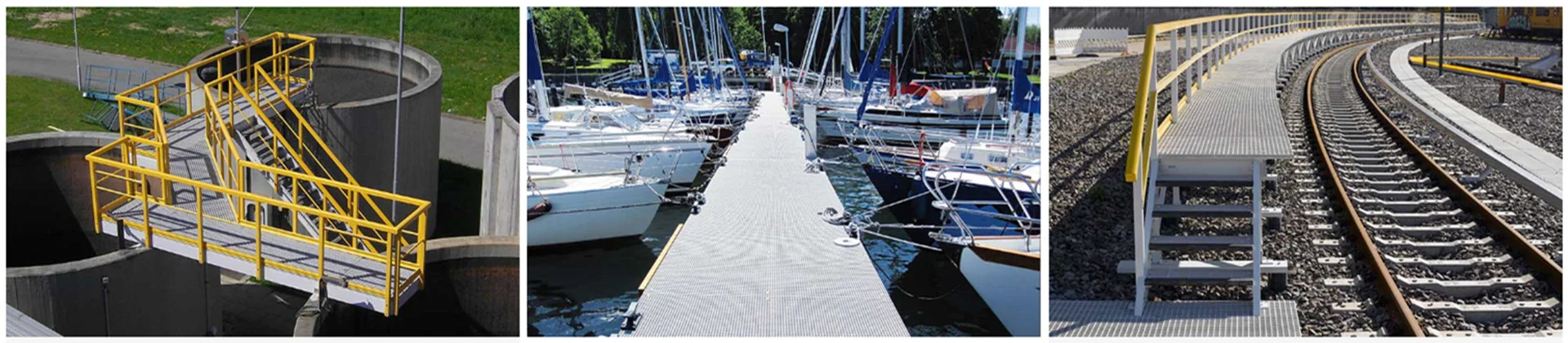
Steel reinforcement has served concrete construction for decades, but corrosion remains one of the most costly problems in bridges, highways, marine works, tunnels, and underground structures. Once chloride, moisture, and aggressive chemicals reach steel rebar, repair work can begin long before the concrete structure reaches its intended service life.
That is why engineers, procurement teams, and infrastructure buyers evaluate fiberglass rebar for corrosion prone projects. Also called FRP rebar, GFRP rebar, or composite rebar, this non metallic reinforcement can support concrete applications where corrosion resistance, lightweight handling, non magnetic performance, and long service durability matter.
This guide explains the main fiberglass rebar benefits, common applications, technical buying factors, and practical checks buyers should review before ordering for construction or OEM projects.

fiberglass rebar benefits
What Is Fiberglass Rebar?
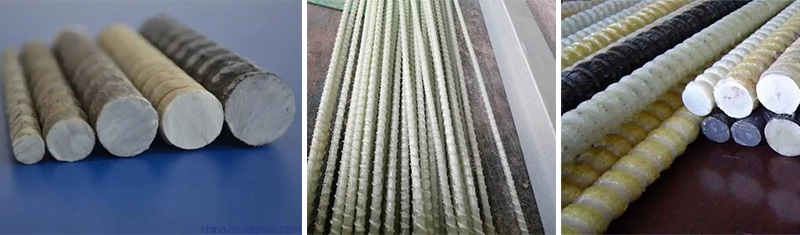
Fiberglass rebar is a composite reinforcement bar made from glass fiber and resin. The glass fiber provides tensile reinforcement, while the resin matrix helps protect the bar from moisture, chemicals, and chloride exposure.
In concrete construction, fiberglass rebar is mainly used where conventional steel rebar may face corrosion risk or where non metallic performance is required. Typical projects include bridge decks, seawalls, tunnels, road slabs, water conservancy projects, underground structures, docks, airports, and chemically exposed concrete.
Is fiberglass rebar the same as FRP rebar?
Fiberglass rebar is one type of FRP rebar. FRP means fiber reinforced polymer, while fiberglass rebar normally refers to glass fiber reinforced polymer rebar. Buyers may also see terms such as GFRP rebar, composite rebar, fiberglass reinforcement, and non metallic rebar used for similar product categories.
The naming matters during procurement because “composite rebar” may include different fiber types or resin systems. Buyers should confirm whether the project needs GFRP rebar specifically, plus diameter, bar length, surface profile, tensile data, modulus, resin system, and documentation requirements.
A clear specification avoids confusion between general composite reinforcement and the actual fiberglass rebar required for the job.
Key Fiberglass Rebar Benefits
After defining the material, buyers usually focus on the performance advantages. The strongest fiberglass rebar benefits relate to corrosion resistance, lower handling weight, tensile performance, non magnetic behavior, electrical non conductivity, and installation planning.
Corrosion resistance is the main reason many infrastructure buyers evaluate fiberglass reinforcement. Steel can rust in chloride rich or wet environments, while fiberglass rebar does not rust like steel. That makes it attractive for marine structures, bridge decks, roadways exposed to deicing salts, chemical facilities, and underground concrete.
Lightweight handling creates a direct procurement and site benefit. Lighter bars can reduce transport weight, simplify unloading, reduce manual placement effort, and support faster movement around large job sites. Buyers should still confirm bundle size, bar length, and site storage method before delivery.
The table below summarizes the main benefits and the buyer checks linked to each one:
| Benefit | Buyer Implication | What to Check |
|---|---|---|
| Corrosion resistance | Supports long service planning in chloride, wet, or chemical environments | Resin system, exposure conditions, project design |
| Lightweight handling | Helps reduce transport, unloading, and manual placement burden | Bundle size, bar length, packaging |
| High tensile strength | Supports concrete reinforcement requirements | Supplier technical data and project design |
| Non magnetic behavior | Useful for electromagnetic sensitive structures | Project performance requirements |
| Electrical non conductivity | Useful around electrical or utility applications | Insulation expectations and design needs |
| Design flexibility | Supports custom lengths and project specific supply | Diameter, length, bend rules, surface profile |
In field procurement, engineers often find that fiberglass rebar selection depends on more than a single strength claim. The project team must review corrosion exposure, concrete design, bond behavior, handling method, and approval requirements together.
The value of fiberglass rebar is strongest when the project environment rewards corrosion resistance and non metallic performance.
Fiberglass Rebar vs Steel Rebar
Beyond the basic benefits, buyers need to understand how fiberglass rebar compares with steel. The two materials behave differently, so direct substitution should be reviewed by qualified engineers and based on project requirements.
Steel rebar offers familiar design behavior, high modulus, and broad code familiarity. Fiberglass rebar offers corrosion resistance, lower weight, non magnetic behavior, and electrical non conductivity. The tradeoff is that fiberglass rebar has different elastic modulus, bending behavior, and design considerations compared with steel.
The table below compares common reinforcement choices for concrete projects:
| Material | Corrosion Resistance | Weight | Conductivity | Maintenance Concern | Typical Use |
|---|---|---|---|---|---|
| Fiberglass rebar | Strong when resin and design match exposure | Light | Non conductive | Low when properly specified | Bridges, marine works, tunnels, road slabs |
| Steel rebar | Can corrode when exposed | Heavy | Conductive | Corrosion protection may be needed | General concrete reinforcement |
| Epoxy coated steel rebar | Better than bare steel when coating remains intact | Heavy | Conductive | Coating damage can reduce protection | Bridge decks, road projects |
| Stainless steel rebar | Strong corrosion resistance | Heavy | Conductive | Higher material cost | High corrosion or high value structures |
Can fiberglass rebar replace steel rebar?
Fiberglass rebar can replace steel rebar in some concrete projects when the structural design, service environment, code requirements, bond behavior, and installation method support the substitution. Engineers should not treat it as a simple one for one replacement without checking tensile data, modulus, bar spacing, anchorage, and project approvals.
This distinction protects both the buyer and the project. A marine walkway slab, bridge approach, tunnel segment, or chemical plant foundation may benefit from corrosion resistant reinforcement, but the final design should reflect how fiberglass reinforcement behaves under load.
Successful substitution starts with engineering review, then moves into procurement.
Common Uses of Fiberglass Rebar
Once the comparison is clear, the application fit becomes easier to judge. Fiberglass rebar is most useful where corrosion, magnetic interference, electrical conductivity, or handling weight creates project risk.
Bridge decks and highways are common targets because deicing salts and moisture can accelerate steel corrosion. Marine structures and seawalls also benefit because chloride exposure is constant. Tunnels, underground structures, and water conservancy projects may use composite reinforcement where moisture and long service life are central design concerns.
Chemical and wastewater facilities may evaluate fiberglass reinforcement because acids, alkalis, low pH environments, and process chemicals can create aggressive conditions for conventional materials. Non magnetic or electrically sensitive structures may require reinforcement that does not interfere with equipment performance.

steel rebar vs fiberglass rebar
Where is fiberglass rebar commonly used?
Fiberglass rebar is commonly used in bridges, highways, marine structures, seawalls, tunnels, docks, airports, water conservancy projects, underground engineering, and corrosion prone concrete structures. It is also selected for non magnetic or electrically sensitive projects where steel reinforcement may create performance concerns.
In one anonymized coastal infrastructure project, engineers reviewed reinforcement for a concrete element exposed to chloride, standing moisture, and long service life requirements. The first inquiry only listed bar diameter and quantity. After technical review, the buyer added resin exposure requirements, surface profile, tensile data, project documentation, bar length control, export packaging, and bundle labeling to the final RFQ.
The main lesson was simple: fiberglass rebar made sense because the exposure environment drove the material decision, but the final purchase still depended on engineering data and site handling needs.
How Strong Is Fiberglass Rebar?
Strength questions come up early in almost every FRP rebar discussion. Buyers often ask whether fiberglass rebar is stronger than steel, but the better question is how the reinforcement performs within the actual concrete design.
Fiberglass rebar can provide high tensile strength, and older product descriptions often describe it as stronger than ordinary steel rebar in tensile performance. That statement needs context. Tensile strength, tensile modulus, bond behavior, strain behavior, surface treatment, and design rules all affect how a reinforced concrete member performs.
How strong is fiberglass rebar in concrete reinforcement?
Fiberglass rebar can provide high tensile strength for concrete reinforcement, but its modulus and design behavior differ from steel. Buyers should evaluate supplier technical data, project design requirements, bond behavior, bar spacing, anchorage, and applicable engineering approvals before selecting fiberglass rebar for structural concrete.
For approval review, procurement teams should request tensile strength, tensile modulus, bar diameter tolerance, density, bond surface type, resin system, and recommended design documentation from the supplier. These details help engineers compare the product against project requirements instead of relying on general marketing claims.
Technical data should come before bulk purchase approval.
How to Choose Fiberglass Rebar for a Project
After the engineering fit is confirmed, buyers should prepare a clear RFQ. A strong rebar inquiry should include project environment, bar diameter, length, quantity, resin system, surface treatment, packaging, and required documentation.
Diameter and length affect logistics and installation. Surface treatment affects bond behavior with concrete. Resin system should match exposure conditions such as chloride, moisture, chemical contact, or underground service. Packaging matters because rebar is often ordered in bulk and transported to large construction sites.
The table below can be used as a practical buying checklist:
| Requirement | What Buyers Should Provide | Why It Matters |
|---|---|---|
| Application | Bridge, tunnel, marine, road, chemical plant | Defines exposure and performance needs |
| Diameter | Required bar size or project drawing | Affects reinforcement design |
| Length | Standard or custom bar length | Supports installation planning |
| Surface profile | Sand coated, ribbed, or supplier option | Affects concrete bond behavior |
| Resin system | Exposure to chloride, moisture, chemicals, UV | Supports durability selection |
| Technical data | Tensile strength, modulus, density, test data | Supports engineering review |
| Documentation | Drawings, data sheets, approval files if needed | Helps project review and procurement |
| Packaging | Bundles, pallets, export packing, labels | Supports transport and site handling |
| Quantity | Trial order, project order, repeat supply | Supports production planning |
Unicomposite Technology Co., Ltd, based in Nanjing, China, manufactures FRP and GRP composite products and supplies standard and customized composite profile and system solutions. Its composite manufacturing capabilities include pultrusion, pulwinding, SMC/BMC molding, hand layup, and vacuum infusion, supporting buyers that need FRP reinforcement, structural profiles, grating, handrail systems, cable protection products, and custom composite components.
For fiberglass rebar and infrastructure procurement, this production background can support custom length control, batch consistency, export packaging, repeat project supply, and project specific FRP product development.
Common Buying Mistakes
The first mistake is choosing fiberglass rebar only because it is corrosion resistant. Corrosion resistance matters, but long term performance still depends on resin system, exposure environment, concrete design, surface treatment, installation quality, and engineering approval.
The second mistake is assuming fiberglass rebar behaves exactly like steel. It has different modulus, cutting behavior, bending limitations, and handling requirements. Buyers should confirm these details before site delivery.
The third mistake is ignoring exposure conditions. A project exposed to chloride, wastewater, chemical contact, or underground moisture needs resin and product selection that matches the environment.
The fourth mistake is buying without technical data. For B2B and infrastructure projects, procurement teams should request supplier data sheets, drawings, packaging details, and any project specific documentation needed by the engineering team.
The fifth mistake is missing logistics details. Long bars, export shipments, bulk bundles, labeling, unloading method, and site storage can all affect project efficiency.
Avoiding these mistakes helps buyers move from a material idea to a project ready reinforcement specification.
Final Recommendation
Fiberglass rebar can be a strong reinforcement option for projects that need corrosion resistance, lightweight handling, non magnetic performance, electrical non conductivity, and lower maintenance potential in harsh environments.
Key takeaways:
- Match fiberglass rebar to the service environment, especially chloride, moisture, marine, underground, wastewater, and chemical exposure.
- Review tensile data, modulus, bond behavior, surface profile, diameter, length, resin system, and project approvals before substitution.
- Compare fiberglass rebar with steel, epoxy coated steel, and stainless steel based on lifecycle exposure, handling, maintenance, and design requirements.
- Provide a complete RFQ with application, drawings, bar sizes, quantity, documentation needs, packaging, and delivery requirements.
[Contact Unicomposite for a custom fiberglass rebar quote →]
info@unicomposite.com